Chocolate-Making Workshops in San Francisco: A Hands-On Guide
What happens during a chocolate-making workshop in San Francisco?
Small-group sessions typically run 1.5-2.5 hours in a kitchen studio or chocolatier's workspace, guided by an instructor through tempering, molding, filling and decorating chocolates or bonbons to take home. Most are beginner-friendly, cost roughly $60-120 per person, and book out fastest on weekend afternoons.
What a chocolate-making session actually involves
San Francisco has a real reason to have a chocolate scene worth building a workshop around: it’s the city where Domingo Ghirardelli set up shop in the 1850s, and chocolate-making here has stayed a small-batch, hands-on craft rather than an industrial one. A hands-on chocolate workshop trades the observation-only factory tour for an actual worktable — you’re tempering, pouring, and decorating chocolate yourself, not watching someone else do it through glass.
The format is consistent across most studios in the city. A small group, usually 6-16 people, gathers in a kitchen studio or a working chocolatier’s space. An instructor opens with a short, practical introduction: what tempering actually does to chocolate at a molecular level (it’s what gives good chocolate its snap and shine instead of a dull, streaky finish), and a quick tasting of the couverture chocolate you’ll be working with. From there it’s hands-on: melting and tempering chocolate on a marble slab or in a tempering machine, pouring it into molds, adding fillings such as ganache, caramel, or fruit purée, and finishing pieces with decorative touches — cocoa dust, edible gold leaf, or a drizzle in a contrasting chocolate.
Sessions run 1.5 to 2.5 hours in most cases, which is enough time to make somewhere between a dozen and two dozen finished pieces, packaged into a take-home box by the end. Pricing sits roughly in the $60-120 per person range before tax and tip, which is broadly in line with the price orders of magnitude for hands-on experiences elsewhere in the city — closer to a mid-range dinner than a quick coffee.
Who a chocolate workshop suits
These sessions work well for a specific set of travelers rather than everyone. They’re a strong fit if fog has rolled in and you want an indoor activity that doesn’t depend on the weather clearing — useful during the city’s own summer marine layer, when clear afternoons are far less reliable than visitors expect from a “California summer.” They also work well as a rainy-day plan, a low-key date, a small-group celebration, or a way to bring a souvenir home that isn’t a T-shirt.
They suit travelers staying in or near Chinatown or North Beach particularly well, since many studios cluster in or near those neighborhoods, within walking distance of other food-focused stops covered in the North Beach food tour guide and the Chinatown food tour guide. If you’re already planning a Chinatown walking tour, a chocolate workshop pairs naturally as a follow-up stop on the same afternoon.
They’re less suited to a first, tightly packed day in the city — if you’re following an itinerary like San Francisco in one day, a 2-hour seated workshop competes directly with time better spent on the Golden Gate Bridge or Fisherman’s Wharf. Save it for a second or third day, or build it into a longer stay such as the plan in how many days do you need in San Francisco.
A chocolate workshop also works well as a low-key evening or half-day anchor for travelers who aren’t trying to cover the whole city in one trip. Couples building a romantic weekend in San Francisco often prefer an indoor, seated activity as one of two or three fixed points in an otherwise loosely planned day, and solo travelers following something like the solo traveler San Francisco week itinerary tend to like the small-group format, since it’s an easy way to end up chatting with strangers over a shared worktable without the commitment of a full group tour.
What to expect, step by step
Arrival and setup. You’ll typically arrive 10-15 minutes before the listed start time. Most studios provide an apron; a few ask you to bring your own if you’re particular about your clothes. Bags and coats usually go on a side table or coat rack — there isn’t much workspace to spare once the chocolate comes out.
Introduction and tasting. The instructor generally opens with a short explanation of where the chocolate comes from (single-origin cacao is common in San Francisco’s craft chocolate scene) and a tasting of a few couverture samples, which also doubles as a chance to talk through any allergies or dietary notes before hands-on work starts.
Tempering. This is the technical heart of the session. Chocolate has to be heated, cooled, and reheated through specific temperature bands to set with a glossy finish and a clean snap instead of turning dull and soft. Studios handle this differently — some use a marble slab and a scraper (the classic, hands-on method), others use a tempering machine that does the heavy lifting while you focus on technique.
Molding and filling. Once the chocolate is in temper, it goes into polycarbonate molds — shells, bars, or bonbon cavities depending on the studio’s format. For filled pieces, you’ll typically pipe a ganache, caramel, or fruit filling into a chocolate shell, then cap it with more tempered chocolate.
Decorating. The last stretch is the most visual: cocoa powder, edible glitter or gold leaf, contrasting chocolate drizzles, or transfer sheets that print a pattern directly onto the chocolate as it sets.
Packaging and takeaway. Chocolate needs time to set fully, so most studios either box up your pieces while you finish a second component (truffles are common as a “make while you wait” side project) or ask you to let everything set for a short cooling period before boxing.
Choosing a workshop: what actually varies
Not every “chocolate workshop” listing is the same experience, and the differences are worth checking before you book rather than after.
| What to check | Why it matters |
|---|---|
| Group size | Smaller groups (under 10) mean more instructor attention per person; larger groups move faster but you may spend more time waiting for equipment like the tempering machine |
| Take-home quantity | Some sessions send you home with 6-8 pieces, others with a full box of 20+ — check before comparing prices |
| Skill focus | Some sessions emphasize truffles and ganache work, others focus on molded bars or bonbons — pick based on what you actually want to make |
| Included tasting | A few sessions include a broader tasting flight of the studio’s own chocolate beyond what you work with |
| Dietary accommodation | Vegan or dairy-free chocolate options exist at some studios but not all; confirm in advance if this matters to you |
| Age policy | Family-friendly sessions exist, but minimum ages vary — check the specific listing rather than assuming |
Beyond the city: chocolate workshops as part of a Monterey day trip
Monterey has its own small chocolate-making scene, and if a day trip down the coast is already on your itinerary, it’s worth knowing the same hands-on format exists there too — useful if a studio session in the city is fully booked, or if you’d rather build the activity into a day that also covers Cannery Row and the aquarium. A hands-on chocolate truffle making workshop in Monterey follows a similar arc to the San Francisco sessions described above — tempering, filling, and a take-home box — while a Monterey chocolate-making workshop paired with wine or beer tasting adds a second craft to the same outing. Monterey sits roughly two hours from San Francisco by car, so this only makes sense as part of a full day trip rather than a quick add-on; the Monterey vs Carmel comparison and the Monterey cruise shore excursion guide both cover how to structure that day around a stop like this one.
Closer to the city, the Bay Area chocolate-making cooking class with a local chef is a variant worth comparing if you’d rather learn technique from a chef-led format than a studio’s usual walk-through session — the core skills (tempering, molding, filling) overlap heavily with the standard San Francisco workshops above, but the teaching style and group size can differ.
Pairing a chocolate workshop with the rest of your day
Because sessions run under 2.5 hours, a chocolate workshop leaves plenty of room either side of it for other things. A few pairings that work well logistically:
- Morning walking tour, afternoon workshop. A guided walk through Chinatown or North Beach in the morning, followed by an afternoon chocolate session, keeps you in the same compact part of the city without much backtracking. Consider the Chinatown walking tour with a guide as a morning anchor.
- City highlights, then a hands-on stop. If you’re new to the city, a broader orientation such as the San Francisco highlights tour with a guide in the morning sets context before an afternoon workshop.
- Downtown walking tour before or after. For visitors based near Union Square or the Financial District, the downtown guided walking tour covers ground on foot without needing a car, which matters in a city where parking is scarce and expensive — see the getting around San Francisco guide for why driving inside the city itself is rarely worth it.
- Another hands-on workshop the same trip. If a chocolate session works for your group, the same craft-workshop format shows up elsewhere in the city — a candle-making workshop or a string art workshop cover similar ground for a different medium, and a mosaic candle-making workshop is a further variant worth comparing before you pick one.
If you’re planning a trip built partly around food, the food lovers San Francisco itinerary slots a workshop like this in naturally alongside stops covered in best Mission burritos and the history of San Francisco sourdough bread — both very different food traditions from chocolate, but part of the same city-as-food-destination framing.
Families, groups and private sessions
Chocolate workshops are one of the more reliably kid-friendly hands-on activities in the city, though not every studio accepts children on every session — check the age policy on the specific listing rather than assuming. If you’re traveling with kids more broadly, the San Francisco with kids guide covers how a workshop like this compares to other family-oriented options.
Groups celebrating something specific — a birthday, a bachelorette or bachelor party, a team outing — are common at chocolate studios, and several offer private bookings for a fixed group rather than joining a public session. If privacy and a tailored schedule matter more than price, the San Francisco private tour guide covers how private bookings generally work across activities in the city, including workshops.
For an evening version of the same idea, some studios run later sessions that pair naturally with a night out — see the San Francisco nightlife guide for how an early-evening workshop can open into a longer night in North Beach or the Mission.
Costs to plan around
Beyond the workshop fee itself, budget for the ordinary costs of a San Francisco afternoon: the sales tax and tipping rules that apply everywhere in the city apply here too — a workshop fee is quoted before the roughly 8.6% local sales tax, and while a tip isn’t automatically expected at a hands-on workshop the way it is at a sit-down restaurant, some studios’ payment systems will still prompt for one. If you’re tracking spending across a longer trip, the San Francisco trip budget guide and the budget tool are useful for slotting a $60-120 workshop fee into a daily spending plan alongside transit, food and any other paid activities.
Getting there without a car
Most chocolate studios sit within the city’s compact core, reachable by Muni or on foot from Union Square, Chinatown, or North Beach — one more reason a rental car rarely earns its keep for a day built around city-center activities. If you’re deciding how to get around generally, the attraction tickets guide and the things to do in San Francisco hub both cover the wider landscape of bookable, walkable city experiences that a chocolate workshop fits into. For a broader look at hands-on classes and workshops specifically, browse the workshops and classes category.
Seasonal chocolate events
Outside the year-round studio workshops, San Francisco also runs seasonal chocolate events that are worth checking against your travel dates, since they add a festival element the regular hands-on sessions don’t have. A SF Fall Holiday Chocolate Salon and Festival entry ticket gets you into a broader tasting event rather than a small-group class — more chocolate makers under one roof, sampling rather than making, and a different pace from a two-hour studio session. It pairs naturally with a trip planned around the San Francisco fall visitor guide window, and if you’re deciding which to prioritize on a short trip, the San Francisco weather by month guide is a useful check on what the rest of the day is likely to look like weather-wise before you commit to an indoor-versus-outdoor plan.
If you’d rather try a different hands-on craft
Chocolate isn’t the only studio-based craft experience in San Francisco, and if it doesn’t suit your group — dietary restrictions, a preference for something less food-focused, or simply wanting variety across a multi-day trip — the same small-group, instructor-led format shows up in other crafts. A rug tufting workshop follows a comparable structure (short demo, hands-on work, a piece to take home) with textiles instead of chocolate, and a Turkish mosaic lamp workshop is a similarly paced option built around glasswork rather than food. None of these require prior experience, and like the chocolate sessions above, booking a few days ahead is the safer bet for weekend slots.
Booking tips
Book a few days ahead where possible, and further out for weekend afternoons — small-group sessions have limited seats and popular studios sell out those slots first, especially around holidays like Valentine’s Day or the winter holiday season when chocolate gifting is on everyone’s mind. Confirm group size, take-home quantity, and any dietary accommodation directly on the listing before booking, since these vary more between studios than the headline price suggests. If your travel dates are still flexible, pairing a workshop with the San Francisco fall visitor guide window — the city’s warmer, clearer “second summer” in September and October — means less chance of arriving to a raincoat-and-fog afternoon that pushes you toward an indoor activity out of necessity rather than choice.
Workshops and Classes
Verified deep-linked GetYourGuide tours. Book through these links and we earn a small commission at no cost to you.
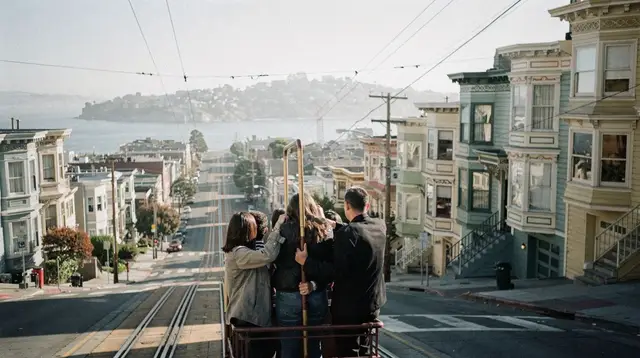
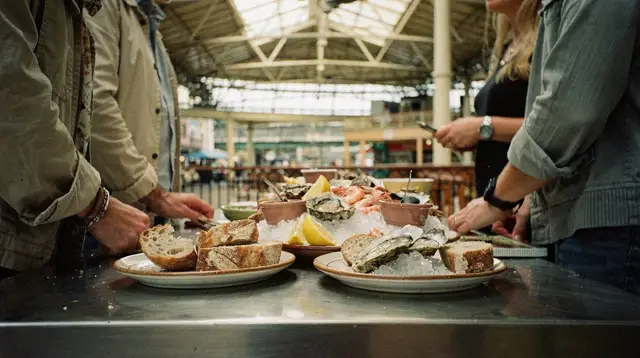
GetYourGuide does not provide a product photo for this activity — the image shows the meeting point, photographed by us.