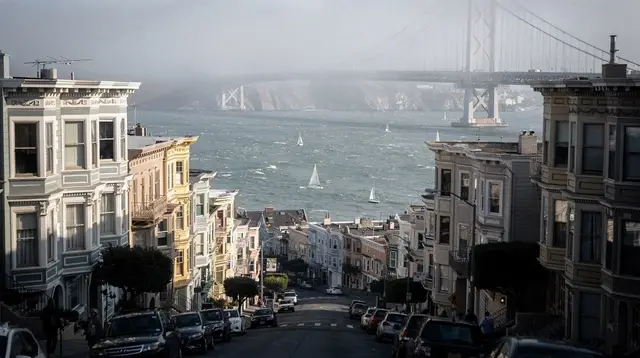
San Francisco with Kids: Which Attractions Actually Work for Families
What are the best San Francisco attractions for kids?
Pier 39's sea lions, Golden Gate Park's playgrounds and carousel, and a cable car ride are the most reliable wins with young children. Alcatraz suits kids roughly seven and up who can handle a self-paced audio tour and a ferry ride, while Muir Woods works well for most ages as a short, flat forest walk.
What actually works for families in San Francisco
San Francisco isn’t built around theme parks or kid-zone attractions, and that’s exactly what makes it work well for families willing to plan around a few quirks. The city’s real draws — sea lions, a working waterfront, a genuine forest of giant trees less than an hour away, a historic cable car system — appeal to kids and adults for different reasons, which keeps a family itinerary from feeling like a compromise. The trick is knowing which sights reward a short attention span and which ones are better suited to older kids or skipped altogether on a family trip.
This guide sorts San Francisco’s best-known attractions by what actually holds up with children, factors in the city’s hills, fog and transit quirks, and flags the mistakes that catch families out most often — packing for the wrong weather, underestimating Alcatraz’s walk, or trying to cram too much into one day.
Fisherman’s Wharf and Pier 39: the most reliable win
For most families, Fisherman’s Wharf is the single easiest place to start. The sea lions that colonized Pier 39’s K-Dock in the early 1990s are still there, barking and jostling for space on the floating platforms, and they’re free to watch for as long as kids want to stay. Budget more time here than seems necessary — it’s common for children to want to watch far longer than adults expect, and there’s no schedule to work around.
The wider Wharf area is flat and stroller-friendly, which matters in a city with as many hills as San Francisco. Aquarium of the Bay sits right on the pier, street performers work the plazas, and the walk out toward the Municipal Pier gives a clear view back toward Alcatraz Island and the Golden Gate Bridge on a clear day. It’s touristy, and locals will say so, but “touristy” and “good for young kids” overlap here more than in most parts of the city.
A guided introduction to this stretch and the neighborhoods around it can take the logistics off a parent’s plate for a few hours — worth considering on day one when everyone is jet-lagged and the city’s layout hasn’t clicked yet. A guided highlights tour covers the Wharf alongside other major sights in one organized outing, which is often easier than piecing together the first day solo.
Alcatraz: better for kids seven and up
Alcatraz is the attraction families ask about most, and it’s worth being direct about who it suits. The ferry ride out from Pier 33 is genuinely fun for almost any age — the wind, the views, the approach to the island. The cellhouse tour itself is different: it’s a self-guided audio tour, delivered through headphones, that most children under about seven find hard to follow, and there’s a real uphill walk from the dock to the cellhouse with no shortcut or stroller path.
Older kids who like history, prisons, escapes and the general “creepy old building” appeal tend to genuinely enjoy it. Younger children often remember the boat and the seagulls more than anything inside. Either way, tickets are sold exclusively by the National Park Service’s authorized concession and are released 90 days in advance — for families traveling in school holiday windows especially, this needs to be booked well ahead, not decided the week of the trip. The Alcatraz tickets guide covers timing and ticket types in more detail, and the Is Alcatraz worth it piece is a useful gut-check for families weighing whether to include it at all.
Golden Gate Park: the day that saves a family trip
If a family only has time for one unstructured, low-stress day, Golden Gate Park — and specifically its eastern end — is usually the answer. The park has multiple playgrounds, a 1912 carousel, a bison paddock that reliably surprises kids who don’t expect bison in a city park, and enough open lawn to let energy out after a morning of walking on pavement. The California Academy of Sciences and the de Young Museum both sit inside the park and offer an indoor option if the fog rolls in cold and grey, which happens often even in summer.
Because the park is large and mostly flat, it’s one of the easier places in the city to explore with a stroller, and it doesn’t require a strict schedule the way a ticketed attraction does. Families who build in a park afternoon partway through their trip tend to report it as the day everyone was happiest, precisely because nothing was booked.
The cable cars: worth the wait, once
Riding a cable car is close to mandatory on a family trip to San Francisco, and it’s usually a highlight — but it’s worth setting expectations. These are slow, historic, grip-operated vehicles, not a way to get across town quickly, and the Powell Street turnaround where the Powell-Hyde and Powell-Mason lines begin routinely has a 30-60 minute queue in the middle of the day. Two ways around it: board partway along the route rather than at the terminus, or ride the less crowded California Street line near the Embarcadero, which gives the same experience with a much shorter wait.
Treat it as one ride to enjoy, not daily transport — Muni buses and streetcars cover the same ground faster on a normal day. For families who’d rather have the history explained as they ride, a self-paced audio tour built around the cable car routes turns the ride itself into more of an activity than a transit hop.
Chinatown: a short, sensory-rich stop
Chinatown rewards a shorter visit with kids rather than a long, wandering one. Grant Avenue’s dragon gate, the produce markets, the fortune cookie factory on Ross Alley (small, informal, and usually happy to have visitors watch), and the general density of sights, smells and sounds make for an engaging 45-minute to hour-long stop rather than a half-day destination. It’s dense and can be overwhelming for very young children if stretched too long, so pairing it with a nearby stop — North Beach’s playgrounds, or a return toward the Wharf — usually works better than treating it as a standalone outing.
A guided walk takes the guesswork out of where to go and what’s worth stopping for. A guided Chinatown walking tour is a reasonable way to see the neighborhood’s highlights efficiently with kids in tow, without the trial and error of exploring alone.
The redwoods: Muir Woods works, but needs booking ahead
Muir Woods, across the Golden Gate Bridge in Marin, is one of the best half-day trips for families — a flat, shaded main loop trail through genuinely enormous coast redwoods, short enough for young legs and dramatic enough to hold most kids’ attention without a screen in sight. The catch is logistics: both the shuttle and parking require a timed-entry reservation booked in advance, so this isn’t a spontaneous same-morning decision the way a trip to the park might be. Build it into the itinerary a few days ahead, not the night before. The dedicated Muir Woods with kids guide covers trail length, timing and what to expect from the reservation system.
What to skip or shorten with young children
Not every San Francisco attraction earns its place on a family itinerary. A few honest calls:
| Attraction | Works well for | Better to skip or shorten with |
|---|---|---|
| Alcatraz cellhouse tour | Ages ~7+ who like history | Toddlers and preschoolers (the ferry ride alone can suffice) |
| Steep Nob Hill / Russian Hill walking routes | Older kids, no stroller | Strollers, tired toddlers |
| Long Wine Country day trips | Adults, teens | Young children (little payoff for them) |
| Extended museum visits (multiple in one day) | Older kids with longer attention spans | Preschoolers, after a full morning of walking |
| Full Golden Gate Bridge walk (both towers) | Older kids and teens | Very young children in wind and fog |
None of these are hard rules — plenty of families make Alcatraz work with a five-year-old, or manage a Nob Hill walk with a lightweight carrier instead of a stroller. But they’re the trade-offs worth thinking through before the day, rather than discovering mid-visit.
Weather: the mistake almost every visiting family makes
San Francisco’s summer is its coldest, foggiest season in the city itself, and it catches visiting families off guard more than almost anything else on this list. Daytime highs in the fog belt often sit around 15-19°C (60-66°F) in June, July and August, colder and windier right at the coast — Ocean Beach, the Sunset and Richmond districts — than a few kilometers inland. September and October are San Francisco’s real summer, with the fog retreating and warmer, sunnier afternoons far more reliable than in the middle of summer.
Pack a warm layer and a windbreaker for every member of the family, for every month, including July. It’s a small thing that makes a real difference to how enjoyable a day at Pier 39 or Golden Gate Park actually is. The San Francisco weather by month guide breaks this down season by season if the trip dates are flexible.
Getting around the city with kids
San Francisco’s hills, one-way streets and scarce, expensive parking make a rental car a genuine liability inside the city itself — better saved for day trips out to Wine Country or the coast than for getting around town. Muni buses and streetcars, BART, cable cars and the ferries between them cover almost everywhere a family would want to go, and a Clipper card (or a phone-based Clipper pass) works across all of them.
For neighborhoods and flatter routes, walking with a lightweight stroller or a carrier is usually the most practical option; for longer hops between areas like the Wharf, Chinatown and Golden Gate Park, Muni fills the gaps well. The Getting around San Francisco guide has route-by-route detail, and the BART vs Muni explainer is useful for families flying into SFO and heading straight downtown.
A simple family-friendly day plan
For a family without a strict itinerary already booked, this rough shape tends to work:
- Morning: Fisherman’s Wharf and Pier 39 — sea lions first, while energy is high and the crowds are thinner.
- Midday: a short Chinatown walk on the way toward downtown, kept to under an hour.
- Afternoon: Golden Gate Park — playgrounds, the carousel, and open lawn to burn off the rest of the day’s energy.
- A separate day: Alcatraz (if kids are old enough) or Muir Woods (booked ahead), not both on the same day — each involves enough logistics and walking to deserve its own slot.
Families spending closer to a week can spread this out further and add a lighter day around Golden Gate Park’s museums or a return trip to the waterfront. The Family-friendly San Francisco week itinerary lays out a fuller day-by-day version built around exactly this pacing, and the broader San Francisco neighborhoods guide is a useful reference for which areas suit a slower family pace versus a faster solo or couples visit.
For families who’d rather have someone else handle the driving and pacing across a longer day — useful with younger kids who tire of walking — a shorter guided sightseeing tour can cover several sights without requiring kids to walk the full distance between them.
Practical notes specific to traveling with kids
A few logistics worth knowing before the trip, not during it:
- Strollers: fine on the Embarcadero, at the Wharf, in Golden Gate Park and the Marina; harder going on Nob Hill, Russian Hill and much of North Beach’s older, narrower sidewalks.
- Nap times: a slower-paced neighborhood like the Marina or the flatter stretches of the park is easier to work a nap into than a dense, walking-heavy day in Chinatown or downtown.
- Car seats and rideshare: many rideshare options in San Francisco don’t guarantee a car seat is provided — check the app’s family or car-seat option in advance, or bring a compact travel seat.
- Restrooms and food stops: Pier 39, Golden Gate Park’s visitor areas and the Ferry Building all have reliable facilities and food options suited to picky eaters, which matters more with young kids than with adults.
- Sales tax and tipping: menu prices don’t include San Francisco’s roughly 8.6% sales tax, which is added at checkout rather than shown on the menu, and a tip of 18-20%+ (never included in the bill) is expected at sit-down restaurants — worth factoring into a family dining budget that already includes several meals a day for multiple people.
None of this requires elaborate planning — mostly it means booking Alcatraz and Muir Woods ahead if either is on the list, packing warm layers regardless of the season, and building at least one unstructured day around Golden Gate Park into the trip.
Family Trip Guide
Verified deep-linked GetYourGuide tours. Book through these links and we earn a small commission at no cost to you.
GetYourGuide does not provide a product photo for this activity — the image shows the meeting point, photographed by us.