Explore San Francisco and the Bay Area by region
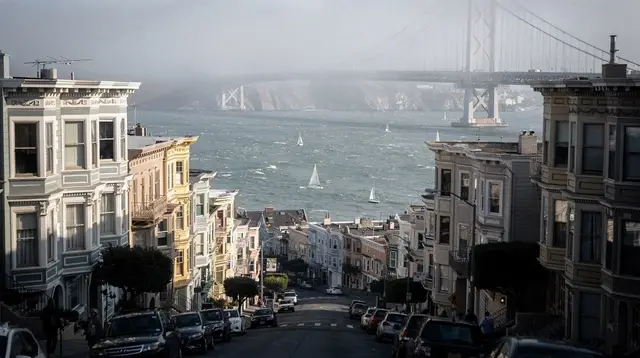
Five ways to build a San Francisco trip: the city and the bay itself, the wine country to the north, the Monterey and Big Sur coast to the south, the South Bay and Silicon Valley, and the Sierra Nevada with Yosemite and Lake Tahoe.
Must-visit areas
The essentials most visitors build a trip around — Alcatraz Island, the Golden Gate Bridge, Fisherman's Wharf and Chinatown, and Muir Woods and Sausalito just across the bay.

More to explore
Areas worth a dedicated day — Napa Valley and Sonoma County's wineries, and the coast around Monterey, Carmel-by-the-Sea and Big Sur.

Alcatraz Island
How to visit Alcatraz Island: the cellhouse audio tour, the former prison, the Pier 33 ferry, and why booking ahead is a planning fact, not a warning.

Golden Gate Bridge
Where to see the Golden Gate Bridge, whether to walk or bike across it, and how the best viewpoints compare — Crissy Field, Fort Point, Battery Spencer.

Lake Tahoe
Lake Tahoe from San Francisco: South Shore vs North Shore, ski season vs summer beaches, and the honest four-hour drive each way.

Monterey
Monterey day-trip guide: the Bay Aquarium, Cannery Row, its own Fisherman's Wharf, and boats out to the bay's whale-watching grounds.

Muir Woods
Muir Woods is a coast redwood grove 20-30 min from San Francisco, with timed-entry reservations required and short, clear trail loops.

Napa Valley
Napa Valley from San Francisco: Highway 29 vs the Silverado Trail, the towns from Napa to Calistoga, and how it differs from Sonoma.

Sausalito & Marin County: A Ferry-Town Escape Across the Golden Gate
Sausalito is a ferry ride or bike ride across the Golden Gate Bridge — houseboats, a quiet waterfront, and a slower pace than San Francisco.

Sonoma County: The Rural Wine Country North of San Francisco
Sonoma County day trip guide: Sonoma Plaza, Healdsburg, the Russian River Valley and the coast, with drive times and budgets from San Francisco.

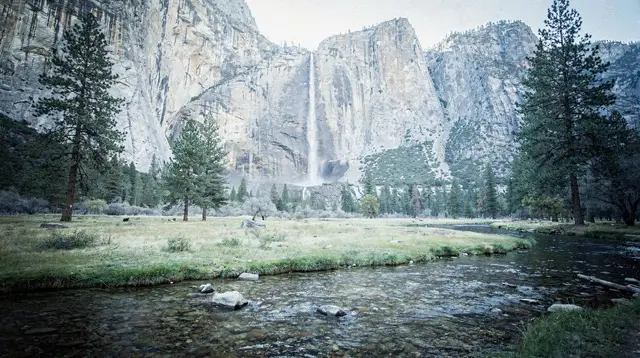
Yosemite National Park
Yosemite Valley from San Francisco: El Capitan, Half Dome, Yosemite Falls, and why a same-day round trip rarely works.
Off the beaten path

Big Sur
Plan a Big Sur day trip on Highway 1: Bixby Bridge, McWay Falls, Pfeiffer Big Sur State Park, drive times and where to stop.

Carmel-by-the-Sea: The Quiet Village South of Monterey
Carmel-by-the-Sea guide: Carmel Beach, gallery-lined Ocean Avenue, and why this walkable village feels nothing like Monterey's waterfront.

San Francisco Chinatown
How to visit San Francisco's Chinatown, North America's oldest: Grant Avenue's shops, Stockton Street's markets, Dragon's Gate and Ross Alley.

Fisherman's Wharf
Fisherman's Wharf guide: Pier 39 sea lions, seafood stands, Musee Mecanique and the waterfront walk, with 2026 prices and timing tips.

Oakland & the East Bay
Oakland across the Bay Bridge: Lake Merritt, Jack London Square, Berkeley, reachable by BART without a car. A distinct East Bay city, not a suburb.

Sacramento & the Gold Country: Old Sacramento and California's Capital
Sacramento pairs a walkable historic waterfront with the state capital, plus quick access to Gold Country's smaller Sierra foothill towns.

San Jose
San Jose is the South Bay's largest city — a downtown, a tech museum and a base distinct from Silicon Valley's scattered campuses.

Santa Cruz & the Peninsula Coast: Boardwalk, Surf and the Road South
Santa Cruz's Beach Boardwalk and surf culture, plus Half Moon Bay along the way — one coastal route south from San Francisco, not two trips.

Silicon Valley: A Traveler's Guide to the Tech Corridor
A practical guide to visiting Silicon Valley's tech campuses across Palo Alto, Mountain View, Cupertino, and San Jose from San Francisco.
Good to know about destinations around San Francisco
San Francisco sits at the center of a region that opens up quickly once you leave the city, and almost every trip ends up combining the bay itself with at least one area beyond it. The San Francisco Bay area covers the city, the waterfront, Alcatraz, the Golden Gate Bridge, Muir Woods, Sausalito, and the East Bay across the water, and for a short stay of three or four days this is usually as far as it makes sense to go, since the city alone holds enough neighborhoods, viewpoints, and museums to fill that time without much driving.
North of the bay, wine country covers Napa Valley and Sonoma County, two separate valleys in two separate counties that are often confused with each other; Napa is denser with well-known wineries along a single main road, while Sonoma spreads out more and includes towns like Healdsburg. South along the coast, the Monterey and Big Sur area covers Half Moon Bay, Santa Cruz, Monterey itself, Carmel-by-the-Sea, and Big Sur, with the drive getting longer the further south you go; Big Sur in particular is a half-day of driving each way, not a quick stop.
Inland and south of the bay, the South Bay and Silicon Valley area covers San Jose, Palo Alto, Cupertino, and the tech campuses that give the region its name, a part of the trip most visitors add for a specific reason rather than general sightseeing. Furthest away, the Sierra Nevada area covers Yosemite, Lake Tahoe, and Sacramento, and this is the one region that changes the shape of a trip rather than just extending it, since it sits roughly four hours from San Francisco by car in each direction. How these regions combine depends mostly on how many days are available. A three-day trip usually stays inside the bay.
A five-day trip can add one neighboring region, most often wine country or the Monterey coast, each reachable and returnable from San Francisco within a single long day if needed, though an overnight makes the pace easier. A seven-day or longer trip is where the Sierra region becomes realistic, usually as a two- or three-day detour with its own overnight stay rather than a day trip, since the driving distance makes a same-day round trip impractical. Building an itinerary around these five regions, rather than around a list of individual sights, is generally the more useful way to plan, because it forces an honest look at drive times before a schedule gets overcommitted.
Frequently asked questions about destinations around San Francisco
What are the main regions to plan a San Francisco trip around?
Five areas: the San Francisco Bay itself, wine country to the north (Napa and Sonoma), the Monterey and Big Sur coast to the south, the South Bay and Silicon Valley, and the Sierra Nevada region covering Yosemite and Lake Tahoe.
Are Napa and Sonoma the same thing?
No. They are two separate valleys in two separate counties. Napa is more compact with wineries concentrated along one main road, while Sonoma County is larger and includes towns such as Healdsburg.
How far is Yosemite or Lake Tahoe from San Francisco?
Around four hours of driving each way, which makes both destinations a multi-day trip with an overnight stay rather than a day trip from the city.
Can Big Sur be visited in a few hours?
Not realistically. The drive down from San Francisco takes about three hours each way, so Big Sur works better as part of a longer coastal trip than as a quick add-on.
How many regions can fit into a one-week trip?
A week typically allows the Bay area plus one or two neighboring regions, such as wine country and the Monterey coast, or the Bay area plus a Sierra detour, but fitting all five well is difficult in seven days.
Is the South Bay worth including on a first visit?
It depends on the traveler. It covers San Jose, Palo Alto, and Cupertino, and most visitors add it for a specific reason, such as a tech-related interest, rather than as general sightseeing.
San Francisco Passes and Tickets
Verified deep-linked GetYourGuide tours. Book through these links and we earn a small commission at no cost to you.
GetYourGuide does not provide a product photo for this activity — the image shows the meeting point, photographed by us.