Napa Valley Harvest Season: When to Go and What to Expect
When is harvest season in Napa Valley?
Napa Valley's grape harvest ('crush') typically runs from late August through October, with white and sparkling varietals picked first and reds like Cabernet Sauvignon coming in through September and October. It's the valley's busiest, most atmospheric season, so tasting-room reservations and lodging book up well ahead.
Why harvest is Napa Valley’s signature season
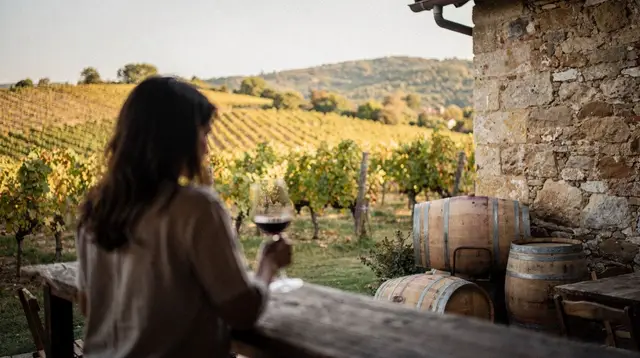
Ask a local when to see Napa Valley at its most alive, and most will point past the manicured calm of a spring visit straight to harvest — the weeks when the vines carry their full crop, the crush pads run at full tilt, and the whole valley smells faintly of fermenting grapes. Harvest, known locally as “crush,” is the season when Napa Valley stops being a scenic backdrop and becomes a working agricultural landscape again, with pickers moving through the rows before dawn and winery courtyards filling with barrels, bins and the occasional forklift.
For a visitor coming up from San Francisco, harvest season changes the calculus of a wine country trip. It’s the best window to see and smell the actual process behind the bottle, but it’s also the valley’s busiest, priciest and most reservation-dependent stretch of the year. This guide covers when harvest actually happens, what changes on the ground, and how to plan a visit that gets the atmosphere without the frustration of a fully booked day. For the broader basics of a trip to the valley — where to go, how long to stay, what a first visit looks like outside of crush season — the general Napa Valley wine tour guide and Napa Valley day trip guide are the right starting points; this page focuses specifically on the harvest window.
Harvest also happens to land during San Francisco’s own best weather stretch, which is worth factoring into a trip that starts in the city. Locals call it the “second summer” — the summer fog that keeps the city cool in July and August tends to retreat in September and October, the same weeks crush is ramping up in the valley. Anyone weighing when to fly in can cross-reference the best time to visit San Francisco against the harvest calendar below — the two seasons overlap more than most visitors expect.
When harvest happens, varietal by varietal
Harvest isn’t a single date — it’s a rolling sequence that follows how each grape ripens, and it typically spans late August through October, sometimes into early November in a cooler year.
| Period | What’s being picked | What it looks like on the ground |
|---|---|---|
| Mid-to-late August | Sparkling wine grapes, some early Chardonnay | First crush trucks, early-morning picking crews |
| Early-to-mid September | Chardonnay, Sauvignon Blanc, Pinot Noir | White wine crush in full swing, first fermentation smells |
| Mid September–October | Merlot, Zinfandel | Red grape harvest ramps up, valley traffic picks up on weekends |
| Late September–October | Cabernet Sauvignon | The valley’s signature grape, usually picked last; peak crowds and peak color on the vines |
| Late October–early November | Late-ripening blocks | Occasional stragglers in a cool year; harvest festivals wind down |
Weather shifts these dates from year to year — a hot, dry stretch pulls harvest earlier, a cool one pushes it later — so treat this table as a pattern, not a fixed schedule, and check with individual wineries if a specific activity (like a crush-pad tour) is the point of the trip.
What actually changes during harvest
Tasting rooms get busier and pricier. Wine Country tastings already require planning even outside harvest: 2025-2026 figures put the average Napa tasting fee around $79, with standard tastings commonly $35-75 and premium or reserve experiences $75-200-plus (see Napa tasting fees explained for the full breakdown). During harvest, add higher demand on top of those baseline prices — popular wineries fill their reservation slots for weekends weeks in advance, and some raise fees or add harvest-only tasting flights. The wine-tasting reservations guide covers how far ahead to book by winery type, which matters more in this window than any other.
Restaurants and lodging tighten up too. September and October weekends are Napa’s peak season for hotel rates and restaurant bookings, driven by both harvest tourism and the fact that this window overlaps with San Francisco’s own best weather (the city’s “second summer,” when the fog retreats and days turn warm and clear). Visitors doing a Napa Valley day trip from San Francisco during this stretch should book tastings, and any sit-down lunch, before leaving the city.
Some wineries open up harvest-specific experiences. Crush pad walkthroughs, grape stomping for kids and adults, blending seminars and harvest-dinner pairings show up as seasonal add-ons at wineries that don’t offer them the rest of the year. These are usually ticketed separately from a standard tasting flight and tend to sell out first, since they only run for a few weeks.
Roads and parking get tighter on weekends. The drive from San Francisco — about 1 to 1.5 hours via the Golden Gate Bridge and Highway 121/29, with no direct train — takes noticeably longer on harvest-season Saturdays and Sundays as both wine tourists and harvest logistics traffic (trucks moving grapes between vineyard and crush pad) share the same roads. Drivers crossing the bridge northbound should also budget for the Golden Gate Bridge toll, which is charged electronically rather than at a booth. The full route, including where traffic typically bunches up, is covered in driving to Napa Valley from San Francisco; for visitors who’d rather not deal with harvest-weekend traffic themselves, the wine country tour transportation options guide compares self-driving against guided and chauffeured alternatives.
Planning a harvest-season visit from San Francisco
Because tastings are alcoholic and paid, and because harvest-season driving is heavier than usual, the practical way to taste at more than one or two wineries is with someone else doing the driving. A guided small-group wine tour with a picnic lunch handles both the route and the reservations, which matters more in harvest season than any other time of year, when a self-planned itinerary is more likely to run into fully booked tasting rooms.
For a private pace without giving up flexibility, a dedicated driver-guide service lets a group set its own stops and linger at a crush pad demonstration without watching the clock against a group tour schedule — useful if the goal is specifically to see harvest activity rather than to hit a fixed list of tasting rooms.
Harvest is also when the valley looks best from above: vine rows turn shades of gold and rust as the season progresses, and a sunrise hot air balloon flight over the valley catches that color change along with the morning harvest activity below, before the day’s picking crews finish their shift. Balloon flights depart at dawn regardless of season, so this is one harvest-season experience that doesn’t require weekend-specific booking pressure — though the flights themselves still sell out on clear-weather mornings.
For a slower, scenery-first alternative, the vintage train with a multi-course meal runs along the valley floor through the same vineyard blocks being harvested, without requiring anyone in the group to drive or plan stops.
Visitors who’d rather move at their own pace on two wheels can combine wine tasting with time outdoors on a guided e-bike tour that includes a winery visit, riding past working vineyard rows between tastings rather than only seeing them through a car window.
Groups who want the day fully arranged, including stops the group might not think to book on its own, can look at a private, all-inclusive full-day wine tour, which bundles transportation, winery reservations and lunch into a single booking — useful in harvest season specifically because it removes the risk of building an itinerary around a tasting room that turns out to be fully booked.
Napa or Sonoma during harvest
Napa isn’t the only valley in crush mode from late August through October — Sonoma County, just over the mountains to the west, harvests on a similar calendar and sees the same seasonal shift in vine color and crush activity. The two are usually treated as separate day trips rather than combined into one outing, since a mountain range sits between them and there’s no quick way to hop from one valley floor to the other.
Broadly, Napa leans toward name-recognition wineries, a denser concentration of tasting rooms along a short stretch of Highway 29, and higher average tasting fees; Sonoma spreads out more, skews toward smaller family-run producers, and tends to run a little less crowded and less expensive even at harvest’s peak. Neither is objectively “better” for a harvest visit — it depends on whether the goal is a concentrated, marquee-winery day or a quieter, more spread-out one. The Napa vs. Sonoma comparison breaks down the practical differences in more detail, and the Sonoma wine tour guide covers that valley’s own harvest-season tasting scene for anyone weighing both options. Visitors who can’t choose, or who have more than a single day to spend, sometimes split the difference with a Napa-Sonoma multi-day wine tour that treats the two valleys as separate days rather than trying to squeeze both into one.
Other ways to experience harvest beyond a standard tasting
A seated tasting flight isn’t the only way to spend a harvest-season day in the valley, and some of the more memorable options lean into the season directly rather than around it.
Food-forward tastings. Wineries running harvest-dinner pairings and seasonal menus timed to the crush are covered in the Napa Valley food and wine pairing tours guide — a better fit than a standard tasting flight for visitors who want the meal to be the centerpiece rather than a side note.
Hands-on winemaking. Beyond the crush-pad walkthroughs mentioned above, some visitors prefer a more structured, classroom-style introduction to what’s happening in the cellar; the Napa Valley cooking class guide rounds up the valley’s food-and-wine workshops, several of which lean into seasonal, harvest-driven menus in September and October.
A slower, spa-centered day. Harvest season’s crowds and reservation pressure aren’t for everyone, and a spa and wellness day is a legitimate way to enjoy the valley’s harvest-season atmosphere — the same golden vine color, the same mild fall weather — without competing for a tasting-room slot at all.
Off-road among the vines. For a more active alternative to a seated tasting, an ATV vineyard tour paired with wine tasting gets a group off the main roads and directly into working vineyard blocks, which during harvest means driving past rows that are actively being picked rather than just looking at them from a tasting-room patio.
Extending the trip beyond a single day
Because harvest is Napa’s most in-demand season, some of what a visitor wants to do — a specific crush-pad tour, a sold-out harvest dinner, an early-morning balloon flight that requires being on-site before dawn — doesn’t fit comfortably into a single day trip up from San Francisco and back. Staying overnight removes the pressure of timing everything around a return drive, and it opens up wineries that only offer their best harvest experiences early in the morning or after typical day-trip visitors have already left.
For a longer stay, the Napa and Sonoma wine country weekend itinerary lays out a two-day version that splits time between both valleys, and the four-day San Francisco and wine country itinerary works it into a longer trip that also covers the city itself. Either is a more relaxed way to take in harvest than trying to pack crush-pad tours, a tasting flight or two, and a drive back to San Francisco into a single afternoon.
Harvest season versus the rest of the year
| Season | Vineyard look | Crowds & pricing | Best for |
|---|---|---|---|
| Spring (Mar-May) | Bright green new growth, wildflowers between rows | Moderate, easing reservations | Mellower pace, easier bookings |
| Summer (Jun-Aug) | Full green canopy, grapes still small and hard | Busy, especially July-August | Warm weather, long daylight hours |
| Harvest (late Aug-Oct) | Vines turning gold/rust, active picking and crush | Peak crowds and prices, hardest reservations | Seeing the winemaking process, best color |
| Winter (Nov-Feb) | Bare, pruned vines | Quietest, best rates | Off-peak calm, easier last-minute plans |
Harvest wins on atmosphere and on the chance to actually watch winemaking happen, but it demands the most advance planning of any season. A spring or winter visit trades that texture for flexibility and lower cost — worth weighing if the trip’s real priority is a relaxed pace rather than crush-season energy specifically.
Practical notes for a harvest-season day
Closed-toe shoes are worth packing if any part of the day includes a crush-pad walkthrough or a walk through the rows — vineyard ground during harvest has equipment, hoses and uneven footing that open sandals don’t handle well. Mornings run cool in September and October even as afternoons stay warm, so a layer that comes off by midday is more useful than a single heavy jacket.
Because California’s legal blood alcohol limit for driving is 0.08%, and because harvest-season tastings often run longer with special flights and pairing menus, building in a driver from the start — rather than deciding partway through the day — keeps the visit from ending with a rushed, sober-designated-driver scramble. This is exactly what a guided tour or driver-guide service is built to remove from the day.
Finally, book the day’s centerpiece experience — whether that’s a specific crush-pad tour, a balloon flight, or a table at a harvest-dinner pairing — before locking in transportation, since these sell out first in harvest season and the rest of the day can flex around a confirmed booking more easily than the other way around.
Frequently asked questions about visiting Napa Valley during harvest
When exactly does harvest happen in Napa Valley?
Harvest, or “crush,” generally starts in mid-to-late August with sparkling wine grapes and early-ripening whites, moves through Chardonnay and Merlot in September, and finishes with Cabernet Sauvignon into October, occasionally stretching to early November. Exact dates shift year to year with weather.
Is harvest season the best time to visit Napa Valley?
It’s the most visually and sensorially rich time — vines turning color, crush activity, harvest festivals — but it’s also the busiest and most expensive, with the tightest tasting-room reservations and highest lodging rates of the year.
Do I need reservations for wineries during harvest?
Yes, essentially always. Napa’s average tasting fee runs around $79, and walk-in tastings are increasingly rare year-round; during harvest, popular wineries can book out weeks in advance, so reserving before the trip is strongly recommended.
Can I watch the actual winemaking during harvest?
Some wineries offer harvest-specific experiences — crush pad tours, grape stomping, blending sessions — usually as ticketed add-ons rather than part of a standard tasting. These sell out first, so booking early matters more in harvest season than any other time of year.
How do I get from San Francisco to Napa Valley for a harvest visit?
There’s no direct train; the drive is roughly 1 to 1.5 hours by car via the Golden Gate Bridge and Highway 121/29, longer with weekend traffic. Given that tastings are alcoholic and paid, most visitors use a designated driver, a car service, or a guided tour rather than a self-driven route.
Is Napa Valley crowded during harvest?
Yes — weekends from mid-September through October are Napa’s peak crowd period, with restaurant reservations, tasting slots and hotel rooms all tighter and pricier than in spring or winter.
What should I wear or bring to a harvest-season visit?
Closed-toe shoes are worth it if a winery tour crosses the crush pad or vineyard rows; layers help since September and October mornings are cool and afternoons can still be warm. A booked, unhurried driver takes the guesswork out of the return trip after tastings.
Seasonal Guide
Verified deep-linked GetYourGuide tours. Book through these links and we earn a small commission at no cost to you.
GetYourGuide does not provide a product photo for this activity — the image shows the meeting point, photographed by us.