Napa Tasting Fees Explained: What a Day of Wine Actually Costs
How much does wine tasting in Napa Valley actually cost?
Expect to pay for every tasting — Napa averages around $79 per person in 2026, with standard flights commonly $35-75 and premium or reserve experiences $75-200+. Sonoma runs cheaper, averaging around $47. Reservations are increasingly required, especially in Napa, so this is a paid, planned activity, not a casual free stroll.
The first time I got a tasting bill, I wasn’t ready for it
I’d pictured Napa the way a lot of first-timers do: driving up from San Francisco, wandering into a few pretty tasting rooms, sipping, chatting, moving on. What actually happened was a printed menu, a $65 fee per person before we’d even chosen which flight, and a soft but clear expectation that we’d booked ahead. We hadn’t. Two of the three places on my list turned us away for exactly that reason.
Nobody had told me tasting fees were the default, not the exception, or that in 2026 the average Napa tasting runs somewhere around $79 a person. That’s not a splurge number, that’s the middle of the range. If you’re planning a day trip out of the city, this is the piece worth reading before you leave, not after you’ve been quoted a price standing at the counter.
Why every tasting has a fee now
The free tasting room is mostly a memory in Napa — and in Sonoma too, where tastings run $25-75 per person, sometimes more in Napa, with both regions usually requiring advance booking, some wineries crediting the fee toward a purchase, but none pouring for free. Land, water, and labor cost more here than almost anywhere in the country, and wineries stopped treating tastings as a marketing freebie years ago — they’re a line of revenue in their own right. What you’re paying for varies by tier:
| Tier | Typical fee (per person) | What you get |
|---|---|---|
| Standard tasting | $35-75 | A flight of 4-6 wines, usually at a bar or shared table |
| Premium / reserve tasting | $75-200+ | Library or single-vineyard wines, often seated, sometimes paired with food |
| Sonoma standard | ~$47 average | Comparable format, generally lower fees than Napa |
| Sonoma reserve | ~$95 average | Smaller-production wines, seated experiences |
Most rooms waive the fee if you buy a certain number of bottles — commonly two or more — so the “cost” of a tasting is really a bet on whether you’ll want to take wine home anyway.
Walk-in versus reservation-only: know which one you’re driving to
This is the split that catches people out more than the price itself. Some wineries still take walk-ins, especially smaller or less central operations, but a growing share of Napa’s well-known names — the ones most likely to be on a first-timer’s list — are reservation-only, particularly on weekends. Showing up without a booking can mean being turned away entirely, not just waiting.
My rule now: I book every stop before I leave San Francisco, not the night before. Popular rooms fill their weekend slots days in advance. If you want the specifics on how far ahead to book and which sites to use, check the reservations guide before you commit to a route, because it lays out lead times by winery size.
Budgeting a real day of tasting
Here’s roughly what I now plan for, per person, for a day that includes two or three tastings:
| Item | Rough cost |
|---|---|
| 2-3 tastings at $35-75 each | $100-225 |
| A bottle or two taken home | $30-80+ per bottle |
| Lunch in Napa or Yountville | $25-45 |
| Gas, parking, or a tour/transport option | varies widely |
That’s before anything you buy to bring home, and before transport. Two or three tastings is plenty for one day — pacing matters as much as budget, and California’s legal driving limit is 0.08% blood alcohol, which is the real ceiling on how many rooms you can responsibly visit if you’re the one behind the wheel.
The transport decision that actually saves money
This is where a lot of visitors overspend without realizing it. Driving yourself means one of you tastes very little, or you gamble on ride-hailing between wineries that are often miles apart with patchy signal. A guided tour changes that math: everyone in the group can actually taste, someone else handles the driving and the route, and the tour cost often works out close to what a rideshare tab would have been anyway, minus the stress.
For a first Napa day trip from the city, I’d point people toward the half-day Napa Valley wine tour with tastings — it bundles transport and a couple of tastings into one predictable price, which is genuinely easier to budget than piecing a day together yourself. If you’d rather stay closer to the city, wine tasting on the bay is a lower-effort alternative that skips the drive entirely. And if you’re based on the East Bay side, a guided tasting with a local sommelière in Berkeley is worth knowing about too — it’s a different kind of tasting, smaller and more conversational, without the drive to Wine Country at all.
For the logistics of getting there yourself, driving to Napa Valley from San Francisco and wine country tour transportation options cover the practical choices, and the Napa Valley wine tour guide is the fuller planning guide if you want more than a budgeting angle.
Napa versus Sonoma: the budget-relevant difference
Sonoma isn’t just quieter than Napa, it’s cheaper on average — roughly $47 versus $79 for a standard tasting. If cost is the deciding factor and you’re not fixed on Napa specifically, Sonoma is worth genuinely comparing. I’ve laid out the fuller case in Napa vs Sonoma: which to visit, and the Sonoma wine tour guide covers what a Sonoma day actually looks like logistically. The two valleys are separated by a mountain range with no fast direct road between them, so this is a pick-one decision for a single day, not a compare-and-choose-later one once you’re already driving.
A few things I wish someone had told me sooner
Harvest season (typically September into October) brings both the best atmosphere and the tightest reservation windows — see the Napa Valley harvest season guide if you’re planning around that. If wine isn’t the only draw, some visitors pair a tasting day with a spa afternoon; the Napa Valley spa and wellness guide covers that combination. And if you want the trip framed inside a full Bay Area budget rather than just the wine part, the San Francisco trip budget guide is the place to start. For destination overviews, Napa Valley and Sonoma are the baseline pages, and they cover what else fills out a day beyond tasting rooms.
If you want the whole trip mapped as a weekend rather than a single day, the Napa and Sonoma wine country weekend is the itinerary I’d build from. Pairing a tasting day with other stops nearby also works — the Napa Valley cooking class and the Napa Valley food and wine pairing tours are two ways to extend a day beyond straight tasting-room hopping, and the Napa Valley day trip guide is the place to start if you’re still shaping the itinerary. Multi-day visitors comparing regions might also want the Napa/Sonoma multi-day wine tour guide, and anyone weighing whether to add another stop on the drive back can check the Sonoma wellness retreat guide.
Napa tasting fees: frequently asked questions
Is wine tasting in Napa Valley ever free?
Rarely. Free walk-in tastings have mostly disappeared from Napa’s well-known wineries; nearly every room now charges a tasting fee, though some waive it with a minimum bottle purchase.
How much should I budget per person for a day of tasting?
Plan on roughly $100-225 per person for two to three tastings, before food, bottles you take home, and transport — Napa averages about $79 per tasting, Sonoma about $47.
Do I need a reservation for Napa tasting rooms?
Increasingly yes, especially at well-known wineries and on weekends. Some smaller rooms still accept walk-ins, but showing up without booking ahead risks being turned away.
Is Sonoma cheaper than Napa for tasting fees?
Yes. Sonoma’s average standard tasting runs around $47 versus roughly $79 in Napa, with reserve tastings following the same gap.
Can I visit both Napa and Sonoma in one day?
Not comfortably. The two valleys are separated by a mountain range with no direct fast road between them, so most visitors treat them as separate day trips rather than combining both in one outing.
Does the tasting fee get waived if I buy wine?
Often, yes — many wineries waive the fee when you purchase two or more bottles, though the exact policy varies by winery and isn’t guaranteed.
Is a guided tour cheaper than driving myself?
Not always cheaper outright, but it’s often better value once you factor in that everyone in the group can taste, transport is included, and there’s no separate cost for a designated driver or rideshare between wineries.
What’s the legal alcohol limit if I’m driving myself between tastings?
California’s legal blood alcohol limit for driving is 0.08%, which in practice limits how many tastings a self-driving visitor can responsibly do in one day — it’s a strong argument for a tour or car service if you want to visit more than one or two wineries.
tours.Money
Verified deep-linked GetYourGuide tours. Book through these links and we earn a small commission at no cost to you.
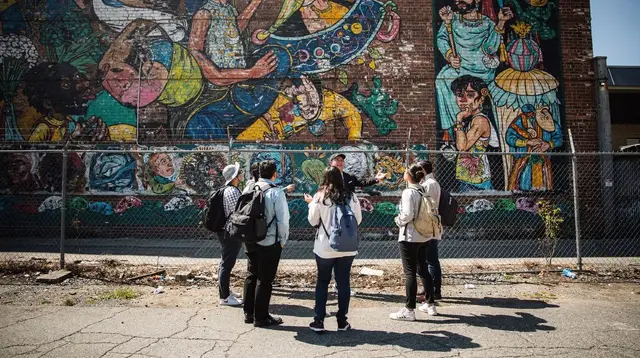
GetYourGuide does not provide a product photo for this activity — the image shows the meeting point, photographed by us.