How to Plan a Perfect Napa Valley Day Trip from San Francisco
Can you really do Napa Valley as a day trip from San Francisco?
Yes — Napa Valley is roughly 1 to 1.5 hours from San Francisco by car with no direct train, which makes it one of the few wine regions that genuinely works as a single day out. The limiting factor isn't distance, it's pacing: two to three wineries with reservations, a sit-down lunch, and a plan for who isn't drinking, fits comfortably into a day; five or six wineries does not.
Why Napa Valley works so well as a day trip
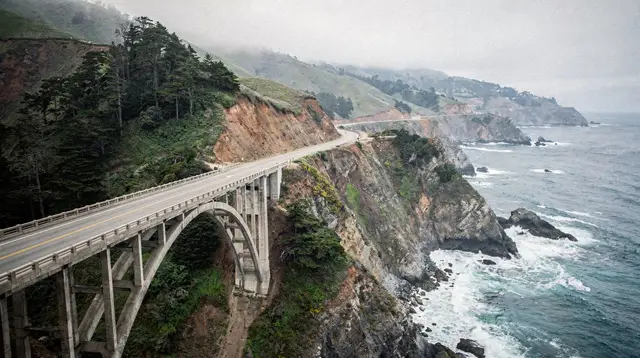
Of all the places within reach of San Francisco, Napa Valley is one of the few that actually delivers on the “day trip” promise. It sits roughly 1 to 1.5 hours away by car — no direct train link, unlike Sacramento — which is close enough to leave after breakfast and be back for dinner, but far enough that the valley feels like a genuine change of scene from the city. Compare that to Yosemite, which eats 7-9 hours of driving alone as a round trip, or Big Sur, where the wilder stretches south of Bixby Bridge really call for an overnight. Napa doesn’t have that problem. The whole exercise, though, lives or dies on pacing — how many wineries you try to fit in, how you get there, and who’s doing the driving.
This guide walks through how to actually structure the day: the drive itself, how many tasting stops are realistic, what a good schedule looks like hour by hour, and the transportation options that let everyone in the group taste without one person sitting out.
The drive from San Francisco to Napa Valley
There’s no direct train to Napa, so the trip is a road trip by car, driver-guide, or organized tour. From San Francisco, the most common route runs north across the Golden Gate Bridge and through Marin on Highway 101, then east on Highway 37 and north on Highway 29 into the valley — or, for a faster run to Napa town itself, over the Richmond-San Rafael Bridge. Expect 60-75 minutes to Napa or Yountville in light traffic, and closer to 90 minutes if you’re headed further north to St Helena or Calistoga.
Traffic matters more than distance here. A 9am weekday departure beats the tail end of the morning commute; leaving San Francisco between 7:30 and 8:30am on a weekday can add real delay on the bridge approaches. Weekends shift the bottleneck to the valley itself — Highway 29 through the main tasting corridor slows to a crawl on Saturday afternoons as every winery’s parking lot fills at once. If you’re driving yourself, see our dedicated guide on driving to Napa Valley from San Francisco for route options and parking realities in each town.
The Golden Gate Bridge toll only applies heading back into San Francisco — it’s a one-way, fully electronic charge with no booth, so it won’t slow down the outbound leg at all.
How many wineries you can realistically visit
This is where most first-time Napa day trips go wrong. A proper tasting isn’t a five-minute pour at a counter — it’s a seated or walk-through experience that typically runs 60-90 minutes once you include the welcome, the flight itself, and the conversation with the pourer. Add 15-20 minutes of driving between wineries, and the math limits a single day to a realistic maximum.
| Wineries visited | Time needed | Verdict |
|---|---|---|
| 1 | 2-2.5 hours tasting | Relaxed, leaves time to linger and explore the town |
| 2 | 3-4 hours tasting | The comfortable sweet spot for a day trip |
| 3 | 4.5-6 hours tasting | Workable if reservations are timed well, still full |
| 4+ | 6+ hours tasting | Rushed at each stop; the day becomes about driving, not tasting |
Two to three wineries, chosen with a short drive between them, is the number that keeps the day feeling like a wine country visit rather than a scavenger hunt. Reservations are increasingly expected rather than optional, especially for sit-down or premium tastings — our wine tasting reservations guide covers how far ahead to book and what each type of tasting involves.
A sample day, hour by hour
A well-paced Napa day from San Francisco looks something like this:
| Time | Activity |
|---|---|
| 8:30-9:00am | Depart San Francisco |
| 10:00-10:15am | Arrive at first winery |
| 10:15-11:45am | First tasting |
| 12:00-1:30pm | Lunch — Yountville or St Helena both have strong options |
| 1:45-3:15pm | Second tasting |
| 3:30-5:00pm | Third tasting, or a slower walk through Napa town or Oxbow Public Market |
| 5:00-5:30pm | Start the drive back |
| 6:30-7:00pm | Arrive San Francisco |
That schedule builds in a proper lunch rather than treating food as an afterthought between pours — a mistake that leaves people tasting on an empty stomach by early afternoon. It also gets the return drive started before 5:30pm, ahead of both the evening commute out of the valley and the fading light on Highway 29’s narrower stretches.
If you’d rather not plan the logistics yourself, a full-day guided wine tour with a picnic lunch built in follows almost exactly this structure — transportation, winery selection, and food handled as one booking, with a driver who isn’t tasting alongside you.
Getting there without driving yourself
This is the part of a Napa day trip most visitors underestimate: someone has to not drink, and California’s legal blood-alcohol limit for driving is 0.08% — tight enough that a designated driver realistically can’t taste at more than a token level across two or three wineries. There are three practical ways around this.
A private driver-guide picks you up in San Francisco, drives the whole route, and can adjust the day on the fly if a tasting runs long or you want to add a stop. It’s the closest thing to a private car and a local host combined — see the Napa Valley driver-guide service through California wine country for a fully flexible version of this.
A small-group guided tour covers similar ground on a shared vehicle with a set itinerary, usually at a lower per-person cost than a private driver, and is worth comparing against the driver-guide option in our wine country transportation options guide.
A more unusual angle on the valley works well as a change of pace rather than the whole day’s transport: the Napa Valley gourmet train tour rolls a multi-course meal and valley views into a fixed rail route, and a Napa Valley hot air balloon ride at dawn is a genuinely different way to see the vineyards before the tasting rooms even open — both pair naturally with a driver or tour for the rest of the day.
Renting a car and driving yourself is still the most flexible option if your group has someone happy to sit out the tastings, or if you’re planning to buy wine and want the trunk space. For everyone else, letting someone else drive turns the day from logistics management into an actual vacation.
Napa or Sonoma — don’t try to do both
Sonoma sits just west of Napa on the map, which makes combining the two look tempting on paper. In practice, the two valleys are separated by a mountain range with no direct fast road between them, so a same-day combination means a long cross-country transfer eating into tasting time in both places. Most day-trippers do better picking one valley and saving the other for a separate visit — our Sonoma wine tour guide covers that valley’s quieter, less crowded tasting-room culture if you’re weighing the two. For travelers with more time, a multi-day Napa and Sonoma wine country tour or the dedicated Napa and Sonoma wine country weekend itinerary does both properly, across two days instead of one.
If you’d rather compare regions before committing to a single-valley day trip, the Napa vs Sonoma guide breaks down the practical differences in atmosphere, crowd levels, and winery style.
What to budget for the day
Tasting fees add up quickly once you’re visiting more than one winery, and they’re rarely included in a tour’s base price. Standard Napa tastings commonly run $35-75 per person, with reserve or premium experiences reaching $75-200 or more; the average reported Napa tasting fee has been around $79. Our Napa tasting fees explained piece breaks down what drives that range and where the better value sits.
| Cost item | Typical range (per person) |
|---|---|
| Standard tasting | $35-75 |
| Reserve/premium tasting | $75-200+ |
| Guided full-day tour with lunch | Varies by operator — food and 2-3 tastings often included |
| Private driver-guide | Priced by vehicle/day, split across the group |
| Casual lunch in the valley | $20-40 |
Add sales tax at the till — it’s never included in a posted price — and a tip is expected on restaurant and bar service throughout the valley, the same as in San Francisco itself.
A different kind of Napa day
Not every visit needs to revolve around tasting rooms. A Judgement of Paris–themed tour across Napa and Sonoma builds the day around the valley’s wine history rather than a simple winery crawl, following the estates connected to the famous 1976 blind tasting that put California wine on the world map. It’s a good option for a group that wants context and a story alongside the glass in hand, and it still ends the day back in San Francisco by evening like any other guided tour.
However you structure it, the core rule holds: pick two or three wineries, reserve ahead, build in a real lunch, and let someone else handle the driving. That’s what separates a rushed dash up Highway 29 from an actual day in wine country — and it’s well within reach of a single day from San Francisco.
Napa Valley day trip questions, answered
How far is Napa Valley from San Francisco?
About 1 to 1.5 hours by car depending on traffic and exactly where in the valley you’re headed — Napa town is closer, Calistoga at the north end is closer to 1.5 hours. There’s no direct train, so driving, a driver-guide service, or a guided tour are the realistic options.
How many wineries can you visit in one day?
Two to three is the realistic number for a relaxed, well-paced day that still leaves time for lunch. Each proper tasting runs 60-90 minutes once you include the pour, the walk-through and the wait if you didn’t reserve, so a fourth or fifth stop usually means rushing the ones that came before it.
Do you need reservations for Napa Valley wine tastings?
Increasingly yes. Many Napa wineries now require a reservation, especially for sit-down or premium tastings, and turning up without one risks being turned away or waiting well past your arrival time. Book your two or three stops in advance rather than planning to wing it.
How much does wine tasting cost in Napa Valley?
Standard tastings commonly run $35-75 per person, with premium or reserve experiences reaching $75-200 or more; the average Napa tasting fee has been reported around $79. Budget for tasting fees on top of any tour or transportation cost, and factor them into your day’s total before you go.
Can you visit Napa Valley without renting a car?
Yes, and for a day of tasting it’s usually the better choice. A guided small-group tour or a private driver-guide service handles the driving, the route between wineries, and the designated-driver problem in one booking, which matters given California’s 0.08% legal blood alcohol limit.
Should you visit Napa or Sonoma in one day?
Pick one. Napa and Sonoma are separated by a mountain range with no fast direct road between the two valleys, so combining both into a single day means long transfers and rushed tastings in each. Most visitors choose Napa for its concentration of well-known wineries or Sonoma for a quieter, less crowded pace, then save the other valley for a separate trip.
What’s the best way to structure a Napa Valley day trip?
Leave San Francisco by 9am, reach your first winery by 10-10:30am, keep to two or three reservations spaced with driving time between them, build in a proper sit-down lunch around midday, and start the return drive by 5-5:30pm to avoid finishing the day in the dark on valley roads.
Day Trips from San Francisco
Verified deep-linked GetYourGuide tours. Book through these links and we earn a small commission at no cost to you.
GetYourGuide does not provide a product photo for this activity — the image shows the meeting point, photographed by us.