Sonoma Wine Tour Guide: How to Visit Sonoma County's Wineries
What's the best way to tour Sonoma County wineries from San Francisco?
Drive or book a guided tour roughly 1-1.5 hours from San Francisco, and pick two or three wineries in one sub-area (the Sonoma Valley, Healdsburg/Dry Creek, or the Russian River Valley) rather than trying to cover the whole county. Reserve tastings ahead where possible, and arrange a designated driver or a chauffeured tour rather than self-driving between multiple tastings.
Sonoma County vs. Napa: a different kind of wine day
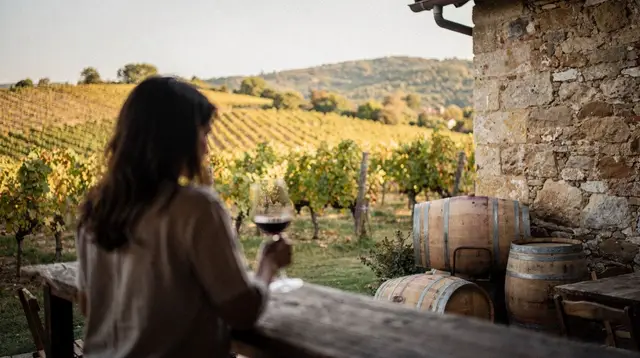
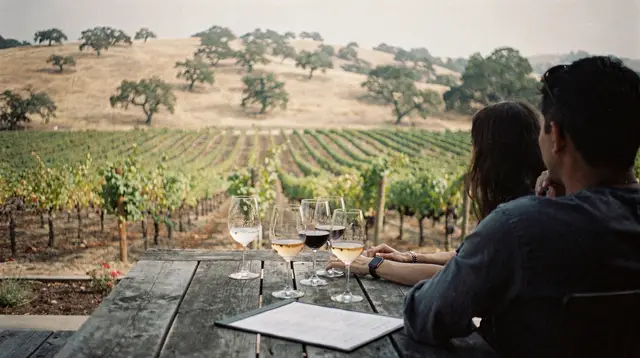
Ask most first-time visitors to picture “Wine Country” and they picture Napa: a single valley, a single main road (Highway 29), tasting rooms practically shoulder to shoulder. Sonoma County is not that. It’s a much larger, more rural county with several distinct wine-growing areas — the Sonoma Valley near the historic town of Sonoma, the Dry Creek Valley and Alexander Valley around Healdsburg, and the cooler, fog-influenced Russian River Valley — connected by country roads rather than one central strip. Wineries here tend to be smaller, family-run, and set among rolling hills and redwoods rather than lined up for a stroll between tastings.
That spread-out character is Sonoma’s biggest practical difference from Napa, and it changes how you should plan the day. In Napa, you can reasonably walk or shuttle between several tasting rooms in downtown Yountville or St Helena. In Sonoma, getting from one winery to the next usually means a proper drive on a two-lane road, sometimes 15-20 minutes between stops even within the same sub-region. Trying to cram in five or six wineries the way you might attempt in central Napa simply doesn’t work here — you’ll spend the day in the car instead of in the glass.
The upside is a quieter, less touristy experience and, on average, lower prices. Recent regional reporting on tasting fees put Sonoma’s average standard tasting around $47 and reserve tastings around $95, noticeably below Napa’s roughly $79 average across standard and premium experiences combined. Sonoma also has more of a working-agricultural feel — you’ll pass orchards, dairy farms, and redwood groves between vineyards, not just vineyards.
Getting to Sonoma from San Francisco
San Francisco to Sonoma is roughly 1 to 1.5 hours by car, depending on exactly which part of the county you’re headed to and traffic on Highway 101 or the Golden Gate Bridge approach. There’s no direct train service into Sonoma wine country, so your realistic options are: drive yourself, take a rideshare (expensive for a full day), or book a guided tour that includes transportation.
Given that wine tasting is, by definition, alcoholic, the transportation choice matters more here than for most day trips. California’s legal blood alcohol limit for driving is 0.08%, and it’s easy to underestimate how quickly several tastings add up, especially with pours at multiple stops. For anyone planning to taste at more than one or two wineries, a designated driver, a car service, or a guided tour with a driver is the realistic way to do it safely. A small-group guided tour through the Sonoma Valley that includes a picnic lunch removes the driving question entirely and builds in a proper meal between tastings, which also helps pace the day.
If you’d rather explore at your own pace without renting a car, a trolley tour that loops between several Sonoma Valley wineries with lunch included is a middle ground — you still choose which pours to linger over, but someone else handles the roads.
Choosing which part of Sonoma to visit
Because Sonoma County is large, it helps to pick one sub-area rather than trying to see all of it in a day.
| Area | Feel | Good for |
|---|---|---|
| Sonoma Valley (town of Sonoma) | Historic plaza, walkable town center, wineries just outside | First-time visitors, a mix of history and tasting |
| Healdsburg & Dry Creek Valley | Boutique, food-forward, stylish downtown | A slower, foodie-leaning day |
| Russian River Valley | Cooler, foggier, known for Pinot Noir and Chardonnay | Visitors who prefer lighter, cooler-climate wines |
| Petaluma | Working town with historic downtown, closer to the city | A shorter trip combining history with a wine stop |
The town of Sonoma itself, built around a historic Spanish-era plaza, is the most approachable base for a first visit — it has restaurants, shops, and several wineries within a short drive, plus enough to do on foot that a non-drinking companion won’t be bored. If you’re coming from the city and want the shortest possible drive combined with some non-wine sightseeing, a guided walk through Petaluma’s historic downtown pairs well with an afternoon wine stop nearby.
Reservations and tasting fees
Reservations in Sonoma are less strictly required than in Napa, but the gap is closing — well-known wineries, weekend visits, and anything involving a seated or food-paired tasting increasingly expect a booking. Smaller, less famous producers are still more likely to accommodate walk-ins here than their Napa counterparts, which is part of Sonoma’s appeal, but showing up without a plan at a popular spot on a Saturday afternoon is a real risk of being turned away or facing a long wait.
Expect to pay for tastings almost everywhere; a casual free tasting is rare in either county now. Sonoma’s averages — roughly $47 for a standard tasting and $95 for a reserve experience — are lower than Napa’s but still add up across multiple stops, and none of it includes the meal, the drive, or a tip for a tasting-room pour — tipping is never included in the bill in the US, so plan for it separately. Budget for two or three tastings as a full, unhurried day, not five.
An active, novel way to taste
For visitors who want something beyond a standard tasting-room circuit, Sonoma also has some unusual formats worth knowing about. Guided cycling tours that stop at multiple small wineries let you cover ground between tastings without needing a car or a designated driver, and they suit visitors who want a bit of activity mixed into the day. A small-group cycling tour that stops at several Sonoma wineries along the way is a genuinely different pace from a car-based tasting day — plan on a shorter list of stops, since the cycling itself takes time, but it solves the transportation question the same way a guided car tour does.
Sonoma’s rural, low-light character also makes it a good match for evening activities that don’t exist in denser, more built-up destinations. A stargazing tour using military-grade optics under Sonoma County’s dark rural skies is worth considering as an evening add-on if you’re staying overnight rather than doing Sonoma as a same-day round trip from San Francisco — it’s a reminder that Sonoma, unlike Napa’s more built-up main strip, still has genuinely dark countryside once the sun goes down.
A realistic one-day plan
For a day trip from San Francisco, a workable rhythm is: leave the city by mid-morning, arrive in the Sonoma Valley around 10:30-11am, visit one winery before lunch, eat around 12:30-1pm, visit a second winery in the early afternoon, and start the drive back by 4-4:30pm to avoid the worst of the return traffic on Highway 101 and across the Golden Gate Bridge. That leaves room for a third quick stop — a tasting room in town, or a look at the historic plaza in Sonoma — without overloading the day.
If you’d rather not plan the route yourself, a guided option that builds in the driving, the stops, and lunch removes the logistics entirely; see the guided tours above. For visitors weighing whether to add a food element to their wine day, or comparing the pros and cons of guided versus self-drive options more broadly, the wine country transportation options guide and wine tasting reservations guide go into more detail.
Sonoma vs. Napa: which should you pick?
Because the two valleys are separated by a mountain range with no direct fast road between them, most visitors on a single trip from San Francisco pick one rather than both. Napa is denser, more polished, and has more big-name wineries within a short drive of each other; it suits visitors who want to walk between several tasting rooms and don’t mind higher average prices. Sonoma is more rural, generally less expensive, and rewards visitors happy to spend more time in the car for a quieter, less crowded experience. If you’re weighing the two in more depth, the Napa Valley wine tour guide covers the Napa side of that comparison, and the Napa Valley day trip guide lays out timing if you decide Napa fits your trip better.
Visitors who can’t choose, or who have more than a single day to give to Wine Country, sometimes split the difference with a multi-day visit that covers both valleys on separate days rather than trying to combine them into one rushed outing — see the Napa and Sonoma multi-day wine tour guide for how that’s usually structured. For a shorter push that pairs Sonoma with a broader Wine Country weekend from the city, some travelers also look at guided options that touch both regions, such as a tour that visits wineries tied to the historic Judgment of Paris tasting across both Napa and Sonoma, though this covers more ground in a single day and suits visitors prioritizing breadth over a relaxed pace.
Staying overnight in Sonoma
A same-day round trip from San Francisco works well for a relaxed two-or-three-winery day, but it isn’t the only way to do Sonoma. Because the county is rural and spread out, an overnight stay opens up a slower pace: an evening stargazing tour under Sonoma County’s dark skies (see above), dinner in one of the county’s small downtowns, and a second morning of tasting before heading back to the city. It also removes the pressure to beat Highway 101 traffic back into San Francisco on the same afternoon.
If you’re weighing an overnight or multi-day version of the trip, the Napa and Sonoma wine country weekend itinerary and the four-day San Francisco and wine country itinerary both build in extra time beyond a single afternoon. For visitors more interested in Sonoma’s slower, spa-driven side than in wineries specifically, the Sonoma wellness retreat guide covers that angle.
Other day trips if Sonoma doesn’t fit your dates
Sonoma is a full day built around driving and drinking, which doesn’t suit everyone or every schedule. If you’d rather keep the day shorter and alcohol-free, Muir Woods and Sausalito across the Golden Gate Bridge are both well within an hour of the city and don’t require a designated driver. Travelers who’d rather spend the day on the coast than in a vineyard sometimes look further south to Santa Cruz or Monterey, though both are a longer drive than Sonoma.
For a single trip that tries to combine redwoods and wine country in one outing rather than choosing between them, a full-day tour that pairs redwood scenery with Napa and Sonoma wine tastings covers both in a single guided day, which also sidesteps the driving-and-drinking question entirely.
Practical tips: parking and tipping
Most Sonoma wineries have their own small parking lots rather than shared garages, but they’re often gravel or grass lots away from any attendant, so treat them like any unattended rural parking spot: don’t leave bags, electronics, or anything visible on the seats. The general advice in the car break-ins guide — written with San Francisco in mind — applies just as well to a winery parking lot outside town.
Tipping is never built into a tasting-room bill in the US; if you were happy with the pour and the service, tipping is customary the same way it is anywhere else in the city or region — see the tipping in San Francisco guide for the general local norms that carry over to a Sonoma tasting room.
Sonoma Wine Tour FAQ
How far is Sonoma from San Francisco?
Sonoma County is roughly 1 to 1.5 hours by car from San Francisco, depending on traffic and which part of the county you’re heading to. There’s no direct train, so a car, rideshare, or organized tour is the practical way in.
Is Sonoma cheaper than Napa for wine tasting?
Generally yes. Recent regional reporting puts Sonoma’s average standard tasting fee around $47 and reserve tastings around $95, compared with Napa’s average of roughly $79 per tasting, though both counties range widely by winery and experience level.
Do I need a reservation to taste wine in Sonoma?
It’s increasingly expected, especially at well-known wineries and on weekends, though Sonoma still has more walk-in-friendly, smaller producers than Napa. Booking ahead removes the risk of being turned away and often unlocks a better spot or a seated experience.
Can I visit Napa and Sonoma in the same day?
It’s possible but not ideal. The two valleys are separated by a mountain range with no direct fast road between them, and most visitors get more out of picking one per day rather than splitting limited tasting time across both.
How many wineries should I plan to visit in a day in Sonoma?
Two to three is realistic for a relaxed, safe day that includes a proper lunch and driving time between stops. Sonoma’s wineries are more spread out than Napa’s, so a longer list usually means more driving and less actual tasting.
Do I need a car to tour Sonoma wineries?
A car (your own, a rideshare, or a private driver) is close to essential, since Sonoma’s wineries are spread across a rural county rather than lined up on a single walkable strip. Given the drinking involved, a designated driver, car service, or guided small-group tour is the practical choice over self-driving between tastings.
What’s the difference between the Sonoma Valley and the rest of Sonoma County?
The Sonoma Valley, anchored by the town of Sonoma, is one sub-region within the much larger Sonoma County, which also includes Healdsburg, the Dry Creek Valley, the Russian River Valley, and the town of Petaluma. Each has a distinct feel, and none of them is a single compact strip the way central Napa is.
Napa Valley and Sonoma Wine Tours
Verified deep-linked GetYourGuide tours. Book through these links and we earn a small commission at no cost to you.
GetYourGuide does not provide a product photo for this activity — the image shows the meeting point, photographed by us.