Six-Day Northern California Loop: Wine Country to Big Sur
Can you do wine country and Big Sur in one trip from San Francisco?
Yes, over six days: two nights of city time in San Francisco, one to two nights in Napa or Sonoma, and two nights on the Monterey/Carmel/Big Sur coast, with a rental car for everything outside the city itself.
Six days is enough to link two very different sides of Northern California without rushing either one: the rolling vineyards north of the Golden Gate Bridge, and the cliffs and pullouts of the central coast south of Monterey. This loop starts and ends in San Francisco, climbs north into Sonoma County for a night among vineyards, then swings back through the city and down Highway 1 to Monterey, Carmel-by-the-Sea, and Big Sur, before returning north for a final night in the city.
The shape matters more than the exact mileage. Rather than one long circle, this is really two out-and-back legs from San Francisco — north, then south — which keeps each driving day to two or three hours and leaves real time to get out of the car. A rental car is essential for every leg outside the city itself, but a liability inside it: keep the car in a garage or off-street lot during the San Francisco nights and rely on walking, Muni, and the cable cars instead.
Trip overview
| Day | Base | Focus |
|---|---|---|
| Day 1 | San Francisco | Arrival, orientation, Fisherman’s Wharf and the waterfront |
| Day 2 | San Francisco | Golden Gate Bridge, Presidio, Golden Gate Park |
| Day 3 | Sonoma County | Drive north, winery visits, small-town evening |
| Day 4 | Monterey | Drive south via San Francisco, Cannery Row, Monterey Bay |
| Day 5 | Big Sur | Carmel-by-the-Sea, 17-Mile Drive, Bixby Bridge, McWay Falls |
| Day 6 | San Francisco | Return drive, final city evening, departure prep |
Day 1: Arrival and the San Francisco waterfront
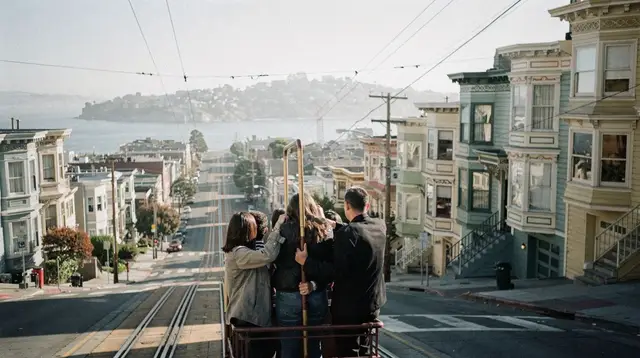
Start in the city itself, without a car for now — pick up the rental on Day 3 or drop it at the hotel and leave it parked. Settle in and get oriented around the Fisherman’s Wharf waterfront, where the working piers, sea lions, and seafood stalls make an easy, low-effort first afternoon after a flight. Walk or take a streetcar along the Chinatown edge into North Beach for dinner, saving the more strenuous hills for tomorrow.
If Alcatraz is on the list at all, this is the day to lock in tickets: the Alcatraz tickets guide explains why the National Park Service concession sells out weeks ahead, especially in summer, and there is no walk-up alternative. A one- or two-day attraction pass, covered in the San Francisco attraction tickets guide, is worth pricing out if several paid attractions are already on the itinerary — the San Francisco Explorer Pass bundles a flexible number of attractions into one purchase, while the San Francisco 9 Day CityPASS suits a slower visit spread across more days.
End the evening early; jet lag and two dense city days ahead make an early night worthwhile.
Day 2: Golden Gate Bridge and the western side of the city
Spend this full day on foot and by public transit, covering the parts of San Francisco that don’t fit into a single afternoon. Walk or cycle across the Golden Gate Bridge from the Presidio side for the classic views back toward the city — remember the bridge toll is charged only when entering San Francisco from the north, so a walk or bike ride across and back costs nothing. Fog is common here even in summer; see why summer fog affects San Francisco for why September and October are actually the more reliable months for a clear shot of the towers.
From the bridge, loop through Golden Gate Park and the Haight-Ashbury district for a change of pace, or follow a route from the Golden Gate Park walking tour guide. If cycling appeals more than walking, the Golden Gate Bridge bike tour guide and the San Francisco bike rental guide cover rental logistics. Cap the day with dinner in the Mission District, then an early return to the hotel — Day 3 starts with a drive.
Day 3: North to Sonoma County wine country
Pick up the rental car this morning and drive north, about an hour outside the city with normal traffic. Sonoma is the pick for this loop over Napa mainly for pacing: it keeps the wine-country leg shorter and less crowded, though Napa vs Sonoma: which to visit is worth a look if a swap makes more sense for a given trip. Either way, the two valleys sit on opposite sides of a mountain range with no fast direct road between them, so plan on one, not both, in a single day.
Base the day around two or three winery stops rather than a long list — tastings are paid, typically averaging somewhere in the $47 range in Sonoma, and often require a reservation at smaller producers. A guided option removes the drinking-and-driving question entirely: the Sonoma Valley guided winery tour with a picnic lunch handles transport between stops, and the custom Sonoma Valley wine tour works well for a group that wants to set its own pace. For something less conventional than a tasting flight, the Sonoma paint-and-sip experience pairs wine with a lighter activity. Background on how reservations and fees actually work locally is in the wine tasting reservations guide and Napa tasting fees explained.
Stay overnight in Sonoma or a nearby town — driving back into San Francisco after tastings isn’t the plan for this loop, and a relaxed evening in a small wine-country town is part of the appeal. The Napa and Sonoma wine country weekend itinerary has more detail if this leg alone were the whole trip.
Day 4: Back through San Francisco to Monterey
This is the longest driving day of the loop: back down through San Francisco and south along Highway 101 or the coastal route toward Monterey, roughly two hours from the city under normal conditions, longer with the detour back from Sonoma factored in. Plan to leave by mid-morning.
Monterey itself rewards an afternoon rather than a rushed stop — Cannery Row’s history, the aquarium if traveling with kids (see the Monterey Bay Aquarium family guide), and the working harbor all sit within walking distance of each other. On the water, the Monterey catamaran sailing cruise is a straightforward way to see the bay from offshore, while the Monterey Bay sunset catamaran cruise times the same idea for golden-hour light. Whale-watching runs seasonally out of Monterey too; the Monterey whale watching guide and whale watching season near San Francisco cover the timing. Stay the night in Monterey to keep tomorrow’s drive short.
Day 5: Carmel-by-the-Sea and the Big Sur coast
Drive the short stretch from Monterey to Carmel-by-the-Sea — under half an hour — and spend the morning in its walkable downtown and along the coastline. The Carmel-by-the-Sea wine tasting and walking tour combines an orientation to the village with a few pours, a lighter alternative to yesterday’s wine-country day. Drivers who’d rather explore Carmel Valley itself than the coastal village have the Carmel Valley Village wine tasting tour in a vintage VW bus as an option, though it sits somewhat off today’s coastal route. The 17-Mile Drive links Monterey and Carmel along the shoreline and is worth the detour if time allows; the Carmel-by-the-Sea day trip guide has the practical details.
From Carmel, continue south on Highway 1 into Big Sur. The most-photographed points — Bixby Bridge and McWay Falls — start around 2.5 to 3 hours from San Francisco in total driving time from the city, but from Carmel they’re a shorter, dramatic coastal drive of an hour or so each way. This is not a road to rush: it’s narrow, winding, and often shared with cyclists and stopped cars at overlooks. The Big Sur day trip guide and Big Sur Highway 1 road trip car rental guide cover what a rental car needs to handle here. Stay overnight in or near Big Sur rather than attempting a same-day return to Monterey or San Francisco — the road’s pace makes a late-night drive back both slow and tiring. The Big Sur hiking trails guide has short-trail options if there’s energy left before dark.
Day 6: Return to San Francisco
The final day is largely a drive back north, retracing Highway 1 and 101 into the city — budget around three hours plus stops, more if pulling off for a last coastal viewpoint. Arriving back in San Francisco by early or mid-afternoon leaves time to return the rental car (drop it before the evening to skip city driving and parking entirely) and spend a last few hours on foot.
A quiet final evening works better than cramming in a new neighborhood: revisit a favorite meal, walk along the Embarcadero, or simply pack for departure. If there’s a morning flight, confirm ahead of time whether the hotel or a nearby garage handles late rental drop-offs, since many downtown lots close earlier than airport counters expect.
Frequently asked questions about the six-day Northern California loop
Can you do wine country and Big Sur in one trip from San Francisco?
Yes, over six days: two nights of city time in San Francisco, one to two nights in Napa or Sonoma, and two nights on the Monterey/Carmel/Big Sur coast, with a rental car for everything outside the city itself.
Do I need a car for this whole loop?
Not inside San Francisco, where parking is scarce and Muni, BART, and the cable cars cover the city well, but yes for every leg once you leave the city — wine country, Monterey, Carmel, and Big Sur have no direct train and only limited bus service.
Should I visit Napa or Sonoma, or both?
This loop picks Sonoma for its shorter, more direct route back toward the coast, but Napa works just as well as a swap; the two valleys are separated by a mountain range with no fast direct road, so most travelers pick one per trip rather than combining both.
How far south into Big Sur does this itinerary go?
It covers the most-photographed stretch — Bixby Bridge and McWay Falls — roughly 2.5 to 3 hours from San Francisco, with an overnight in or near Big Sur rather than a rushed round trip from the city.
Is six days enough time, or should it be longer?
Six days is enough for a comfortable loop at this pace; adding a day would mainly buy more time in Big Sur or a second wine-country stop rather than changing the overall route.
What’s the best order to drive this loop?
North first (San Francisco to Sonoma) then south along the coast (back through San Francisco toward Monterey, Carmel, and Big Sur) avoids backtracking through the city twice and keeps each driving day under about three hours.
Do I need reservations for wine tastings on this route?
Reservations are increasingly expected, especially for smaller wineries, and tastings are paid rather than a casual free stroll — book your top one or two stops in Sonoma ahead of time.
Is a rental car with toll processing an issue on this loop?
The Golden Gate Bridge toll only applies heading into San Francisco from the north, so it’s charged once, not on every crossing; check your rental agreement for its toll-processing fee before you leave the lot.
tours.6 days
Verified deep-linked GetYourGuide tours. Book through these links and we earn a small commission at no cost to you.
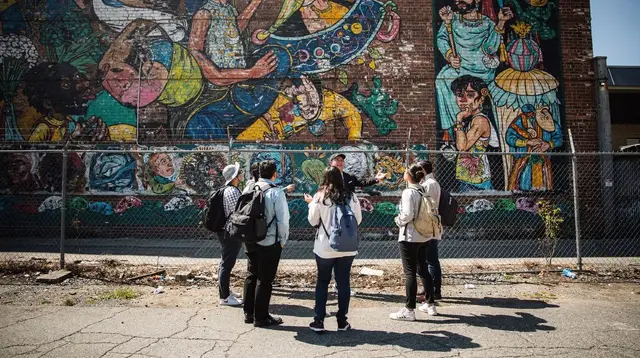
GetYourGuide does not provide a product photo for this activity — the image shows the meeting point, photographed by us.