Luxury San Francisco Getaway: City, Wine Country and Carmel-by-the-Sea
What does a 4-day luxury San Francisco itinerary with Wine Country and Carmel look like?
Two nights in San Francisco with a private city tour and fine dining, one day in Napa or Sonoma with a private wine tour, then a drive down Highway 1 to overnight in Carmel-by-the-Sea. A rented car is essential from Day 2 onward, though not needed inside San Francisco itself.
Four days is enough to do San Francisco properly at a slower, more comfortable pace, then extend the trip into two of Northern California’s most polished regions: a private Wine Country day and a night in one of the most photogenic small towns on the coast, Carmel-by-the-Sea. This itinerary keeps the city on foot and by private tour, then puts a rented car to work exactly where it earns its keep — outside San Francisco, not inside it.
Why this pairing works
San Francisco itself rewards walking, cable cars and a private guide far more than a rental car — parking is scarce and expensive, and many streets are steep and one-way. The moment the trip leaves the city, though, the logic flips: neither Napa Valley nor Sonoma has a direct train, and Carmel-by-the-Sea sits far enough down Highway 1 that a car becomes essential. This itinerary is built around that split: no car for Day 1, a rented car from Day 2 onward, and enough time in each place to avoid the rushed, three-stops-in-a-day feeling that undercuts a genuinely upscale trip.
Day 1: San Francisco, on foot and by private tour
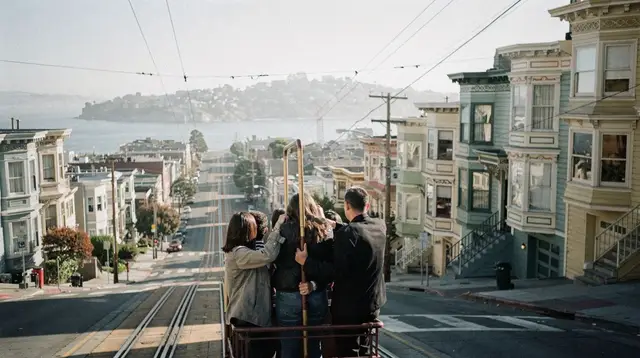
Start in the city with no car to worry about. A private, guided introduction covers ground efficiently and lets a driver-guide handle logistics while you focus on the views: the Golden Gate Bridge and Presidio, Nob Hill and Russian Hill, and the Embarcadero. For travelers who prefer a fully custom pace, a private tour of the city built around your own interests — architecture, food, viewpoints — is worth the premium over a fixed-route option; see this San Francisco private tour guide for how those bookings work.
Midday, walk through Chinatown and North Beach, San Francisco’s Italian quarter, for espresso and an early lunch. In the afternoon, ride the California Street cable car line rather than joining the queue at Powell Street — it’s the same historic funicular experience with a fraction of the wait, boarding near the Embarcadero. At $8 per ride with no transfers, treat it as an experience rather than transport.
For dinner, book a table well ahead at one of the city’s fine-dining rooms in Nob Hill or the Financial District. San Francisco’s combined sales tax runs about 8.625% in 2026, added at the till and never shown on the menu, and a tip of 18-20%+ is expected on top — factor both into a high-end dinner budget. If fog rolls in over the bay in the evening (common even in summer, thanks to the marine layer known locally as Karl the Fog), a jacket earns its place regardless of the season.
Where to sleep: a five-star hotel in Union Square or Nob Hill, both walkable to the Financial District and close to cable car lines.
Day 2: Napa Valley — a private wine tour
Collect the rental car this morning; from here on, driving does the heavy lifting. Napa Valley is roughly 1 to 1.5 hours from San Francisco by car with no direct train, so plan to leave mid-morning. Rather than a self-drive day of winery-hopping — a real problem given California’s 0.08% legal blood-alcohol limit — book a private, chauffeured tasting day. A Napa: Sonoma Valley Custom Wine Tour can be tailored to your preferred pace and style of winery, or for a single-estate, in-depth visit, the Fantesca Winery tour and tasting in Napa pairs a small-production estate with unhurried, guided tastings.
2025-2026 figures put the average Napa tasting fee around $79, with reserve experiences running $75-200+, and reservations are now expected rather than casual — book ahead through your guide or concierge. Spend the day moving between two or three estates in Napa rather than trying to cover more; a mountain range separates Napa from Sonoma with no direct fast road, so trying to combine both valleys in one day is one of the most common visitor mistakes in this region. For lunch, ask your guide to build in a vineyard-view restaurant stop in Yountville or St Helena.
Where to sleep: an upscale inn or resort in Napa Valley — Yountville or St Helena both put you close to the following morning’s return drive.
Day 3: Sonoma, then south toward the coast
Give the morning to Sonoma County, a quieter, less crowded counterpart to Napa with its own tasting-room culture and, on average, somewhat lower tasting fees (around $47 for standard tastings in 2026). A guided option removes the driving-and-drinking dilemma again: the Sonoma Valley guided winery tour with a picnic lunch builds in an outdoor lunch between estates, or for something more active and social, the small-group Sonoma wine tasting tour covers several wineries in one guided outing.
By early afternoon, hand back the wine-country pace and start south. There’s no fast direct route from Sonoma to Carmel-by-the-Sea, so plan on roughly 3 to 3.5 hours of driving with a stop; the most scenic version routes back toward the Peninsula before picking up Highway 1 south. Aim to arrive in Carmel before dark, since the coastal road narrows and loses lighting well before Big Sur.
Where to sleep: a boutique hotel in Carmel-by-the-Sea, within walking distance of the village’s galleries and restaurants.
Day 4: Carmel-by-the-Sea and the drive home
Spend the morning on foot in Carmel-by-the-Sea, a compact, walkable village of cottages, art galleries and a white-sand beach — no car needed until you leave. A guided walk pairs naturally with wine here too: the wine tasting and walking tour of Carmel-by-the-Sea combines village history with tastings at local wine rooms, a lighter, more relaxed contrast to the vineyard-hopping of the previous two days.
Before heading north, consider the short detour along the 17-Mile Drive through Pebble Beach, connecting Carmel to Monterey — a scenic, easy add-on that costs little extra time. Plan the return drive to San Francisco (about 2 to 2.5 hours via Highway 1 and Highway 101) with enough buffer for a late-afternoon flight or a final night back in the city if your schedule allows an extra evening.
Trip at a glance
| Day | Base | Focus | Car needed |
|---|---|---|---|
| 1 | San Francisco | Private city tour, cable car, fine dining | No |
| 2 | Napa Valley | Private wine tour, upscale lunch | Yes |
| 3 | Sonoma → Carmel-by-the-Sea | Guided winery tour, scenic drive south | Yes |
| 4 | Carmel-by-the-Sea | Village walk, wine tasting, drive back | Yes |
What to budget
Beyond hotels and tours, keep a few recurring costs in mind. Downtown San Francisco parking commonly runs $3-8 per hour with daily maximums of $30-60 in high-demand areas, so a hotel with included valet parking is worth the premium on Day 1. The Golden Gate Bridge toll ($10.25-$10.50 in 2026, charged only southbound into the city) and Bay Bridge toll ($8.50) are fully electronic — check what your rental company charges to process them before assuming a cash option exists. Economy rental cars run roughly $45-95+ per day depending on season; a luxury or SUV class rental will run higher, and should be booked well ahead for Wine Country pickup.
Practical notes before you go
A few details make this itinerary run smoothly rather than rushed. Book Wine Country tastings and private tours several weeks ahead where possible, since reservations — especially in Napa — are increasingly expected rather than walk-up. Pack a layered jacket regardless of season; San Francisco’s summer fog keeps the city notably cooler than the wine country or Carmel on the same day. And never leave bags or valuables visible in the parked rental car, in the city, at a vineyard, or at a coastal pullout — opportunistic car break-ins remain the most common property crime targeting visitors, even after a sharp citywide decline by 2026.
Frequently Asked Questions About This Luxury San Francisco Itinerary
Do I need a rental car for this whole trip?
Not for Day 1 in San Francisco, where a car is a liability rather than a convenience. From Day 2 onward — Wine Country and the drive to Carmel-by-the-Sea — a rented car is essential, since there is no direct train to either region.
Is one day enough for Napa and Sonoma together?
No. The two valleys are separated by a mountain range with no direct fast road between them, so this itinerary dedicates one full day to a single valley rather than rushing both.
How do I taste at several wineries without worrying about driving afterward?
Book a private guided wine tour with a driver, which is the realistic way to visit more than one or two wineries in a day given California’s 0.08% legal blood alcohol limit.
How far is Carmel-by-the-Sea from San Francisco or Wine Country?
Carmel-by-the-Sea is roughly 2 to 2.5 hours by car from San Francisco, and a similar distance from Sonoma or Napa, making it a comfortable half-day drive with stops along the way.
Do Wine Country tastings require reservations?
Increasingly yes, especially in Napa, where reservations are now expected rather than optional. Booking tastings in advance, and arranging a private tour where possible, avoids being turned away.
Will I need a jacket even in summer?
Yes. San Francisco’s summer fog keeps daytime temperatures cool and grey, so a layered jacket is worth packing year-round regardless of the season.
Is this itinerary walkable or does it require constant driving?
San Francisco itself is best explored on foot and by cable car or private tour, while the Wine Country and Carmel legs depend entirely on the rental car, with driving time built into each day.
tours.4 days
Verified deep-linked GetYourGuide tours. Book through these links and we earn a small commission at no cost to you.
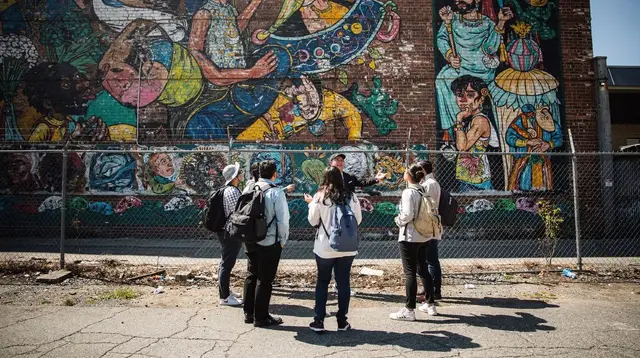
GetYourGuide does not provide a product photo for this activity — the image shows the meeting point, photographed by us.