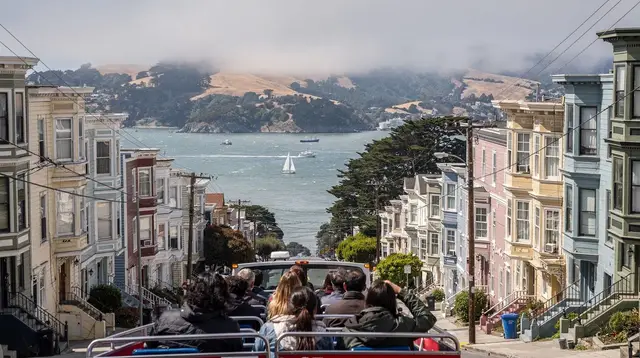
Highway 1 Coastal Road Trip: San Francisco to Big Sur
How long does the Highway 1 drive from San Francisco to Big Sur take?
The direct drive from San Francisco to Big Sur along Highway 1 takes about 2.5-3 hours without stops, but a proper coastal road trip spreads that drive over Santa Cruz, Monterey and Carmel-by-the-Sea across 3 days, with a one-way drive-through rather than a same-day round trip.
Highway 1 south of San Francisco is one drive that rewards patience: it hugs cliffs, drops into fishing harbors, and climbs through redwood-backed headlands before Big Sur’s most-photographed stretch. Trying to see all of it in a single day out of the city usually means Bixby Bridge glimpsed through a windshield on a rushed there-and-back. This itinerary instead treats the coast as a one-way journey — San Francisco to Santa Cruz to Monterey to Carmel-by-the-Sea to Big Sur — with two nights along the way, which is the difference between driving past the coast and actually being on it.
A rental car is essential for this trip; there’s no train or bus route that follows Highway 1 south of Santa Cruz, and the whole appeal is stopping at pullouts on your own schedule. Fill the tank in San Francisco or before Santa Cruz — gas stations thin out south of Monterey, and Big Sur’s are limited and priced accordingly.
Day 1: San Francisco to Santa Cruz via the Peninsula coast
Leave San Francisco in the morning, before commute traffic clears the Peninsula bridges. Highway 1 south of the city runs along the coast rather than inland, passing Pacifica and the cliffs above Devil’s Slide before reaching Half Moon Bay, a low-key detour worth 30-45 minutes for its harbor and beaches if you have the morning to spare.
From Half Moon Bay, Highway 1 continues south through farmland and small coastal towns for about an hour and a half before reaching Santa Cruz. Check into a hotel here for the night rather than pushing straight to Monterey — Santa Cruz’s boardwalk, wharf and surf culture are worth an afternoon and evening on their own, and splitting the drive keeps Day 1 to a manageable 3-4 hours behind the wheel including stops.
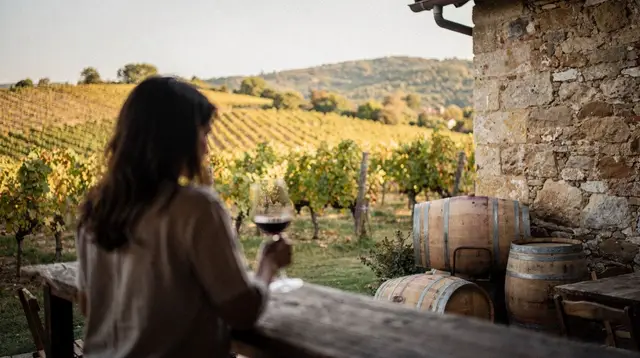
Spend the afternoon at the Santa Cruz Beach Boardwalk, walk the municipal wharf, or head up into the hills for a low-key introduction to the region’s wine scene — Santa Cruz Mountains AVA wines are less famous than Napa Valley but the tasting rooms are far less crowded. A Santa Cruz: Wine Tasting Experience run by a local guide is a practical way to taste several producers without worrying about the drive back afterward, and pairs well with a first evening spent easing into road-trip mode rather than driving after dark.
For a different angle on the town, a private walking tour covering Santa Cruz’s art and culture scene is a good option if boardwalk rides aren’t your thing — it covers the historic downtown and beach areas on foot in a couple of hours.
Dinner near the wharf or downtown; overnight in Santa Cruz.
Day 2: Santa Cruz to Monterey and Carmel-by-the-Sea
The drive from Santa Cruz to Monterey is short — about 45 minutes to an hour along Highway 1 — which leaves most of the day free for the peninsula itself. Cannery Row and Fisherman’s Wharf are the obvious stops, but the real draw for many visitors is Monterey Bay itself.
A Monterey: Catamaran Sailing Cruise gets you out on the water for whale-watching and views of the coastline from a different angle than any road pullout offers; Monterey Bay is one of the best-documented whale-watching grounds on the California coast, with different species seasonally present through much of the year. If you’d rather time it for golden hour, the sunset version of the same catamaran cruise trades daytime wildlife odds for the coastal light show, and works well as an early-evening activity before dinner.
From Monterey, the drive to Carmel-by-the-Sea is only about 10-15 minutes, but plan on taking the scenic route: the 17-Mile Drive through Pebble Beach links the two towns along a toll road past cypress groves and golf courses, and is worth the detour if you haven’t done a coastal drive like it before. Carmel itself is compact and walkable — art galleries, a small beach, and a tasting-room culture of its own.
A wine tasting and walking tour through Carmel-by-the-Sea covers the village’s tasting rooms with a guide who knows which are worth the stop, which matters here since Carmel’s tasting fees run in the same $35-75 range as Napa and Sonoma and a wasted booking is real money. For something further from the village center, the Carmel Valley wine tasting tour in a converted 1970 VW bus heads inland to Carmel Valley’s warmer, sunnier tasting rooms — a different feel from the coastal fog that can sit over Carmel-by-the-Sea itself.
Overnight in Carmel-by-the-Sea or Monterey; either works as a base, though Carmel puts you closer to tomorrow’s start of Highway 1 south.
Day 3: Carmel-by-the-Sea to Big Sur
This is the drive Highway 1 is famous for. South of Carmel, the road narrows and climbs along cliffs above the Pacific, with Bixby Bridge — the single most-photographed span on the entire route — arriving after about 20-25 minutes. From there, Big Sur’s core stretch continues past McWay Falls, redwood groves, and a string of vista points; the drive from Carmel to the heart of Big Sur runs roughly an hour with no stops, considerably longer once you factor in pullouts.
Given that Big Sur beyond Bixby Bridge and McWay Falls is a slow, winding road, this itinerary treats it as a one-way drive-through rather than a round trip back to San Francisco the same day — that’s the structural choice that makes Day 3 enjoyable rather than exhausting. A guided half-day tour of Big Sur from Monterey is worth considering if you’d rather not manage the narrow, cliffside driving yourself; a local guide also tends to know which pullouts are actually worth stopping at versus which are just roadside gravel.
Plan to overnight in Big Sur or nearby Cambria if continuing further south, or begin the return drive north in the afternoon if this is the end of the trip — either way, avoid trying to drive all the way back to San Francisco the same day you’ve driven the full Big Sur stretch; it turns a scenic drive into a long one.
Highway 1 road trip at a glance
| Day | Route | Driving time | Overnight |
|---|---|---|---|
| 1 | San Francisco → Half Moon Bay → Santa Cruz | ~2-2.5 hrs | Santa Cruz |
| 2 | Santa Cruz → Monterey → Carmel-by-the-Sea | ~1-1.5 hrs | Carmel-by-the-Sea / Monterey |
| 3 | Carmel-by-the-Sea → Bixby Bridge → Big Sur | ~1-1.5 hrs | Big Sur / Cambria |
What to know before you go
- Rent the car in San Francisco, not once you’re on the road. Parking is scarce and expensive inside the city itself, but you’ll want the car from the moment you leave — there’s no useful rail alternative south of Santa Cruz.
- Highway 1 is a slow road by design. Treat posted distances as driving-time estimates, not straight-line kilometres; a stretch that looks short on a map can take 45 minutes of curves.
- Fuel up before Big Sur. Gas stations are sparse and pricier south of Monterey.
- Fog can affect the coast even outside San Francisco’s summer fog belt, particularly mornings in Santa Cruz and Monterey Bay; afternoons tend to clear.
- Never leave valuables visible in the car, especially at trailhead pullouts and scenic viewpoints along Highway 1 — the same advice that applies in San Francisco applies at any unattended parking area on this route.
- Whale-watching season varies, so if the Monterey Bay cruise is a priority, check current seasonal sightings before booking.
For deeper detail on any single stop, the Big Sur vs Santa Cruz coastal comparison and Highway 1 driving tips for Big Sur guides go further than a day-by-day itinerary can, and the 17-Mile Drive: is it worth it? piece is useful if you’re deciding whether to add the Pebble Beach detour on Day 2.
Highway 1 road trip: frequently asked questions
Can I do Highway 1 from San Francisco to Big Sur as a single day trip?
You can drive to Bixby Bridge and back from San Francisco in a long day, but it means roughly 5-6 hours of driving for a few hours at the coast. Spreading the route over 3 days with stops in Santa Cruz and Monterey turns the same drive into an actual trip rather than a marathon.
Do I need a car for this itinerary?
Yes. There’s no train or bus service that follows Highway 1 south of Santa Cruz, and the appeal of this route is stopping at pullouts, viewpoints and small towns on your own schedule, which only works with a rental car.
Is the 17-Mile Drive worth the toll?
Most visitors doing Monterey to Carmel find it worthwhile as a scenic detour — cypress groves, coastal views and Pebble Beach’s golf courses — though it adds time versus taking Highway 1 directly between the two towns.
Should I drive Highway 1 south to north or north to south from San Francisco?
Southbound, as in this itinerary, keeps the car on the ocean side of the road for most viewpoints, which generally makes stopping at pullouts easier and safer than crossing traffic.
How far in advance should I book Big Sur accommodation?
Big Sur has limited lodging relative to demand, especially in summer and around Bixby Bridge’s most popular viewing hours; booking weeks ahead is safer than assuming a room will be available on arrival.
Is Highway 1 safe to drive for someone unfamiliar with cliffside roads?
The road is narrow with tight curves and limited guardrails in places, so cautious, unhurried driving matters more than experience with mountain roads specifically. Pulling fully into designated turnouts to let faster traffic pass, rather than stopping in the travel lane for photos, is the most common visitor mistake to avoid.
Can I combine this itinerary with Napa Valley or Yosemite?
Not comfortably in the same short trip — both are in the opposite direction from Big Sur and add their own multi-hour drives. Most visitors treat Highway 1 and Wine Country, or Highway 1 and Yosemite, as separate trips rather than combining them.
What’s the best season for this drive?
Late spring through fall generally offers the clearest coastal visibility and driest roads, though Monterey and Santa Cruz can see morning fog year-round; check conditions before a winter trip, since heavy rain occasionally causes temporary closures on Big Sur’s more exposed sections.
Getting Around San Francisco
Verified deep-linked GetYourGuide tours. Book through these links and we earn a small commission at no cost to you.
GetYourGuide does not provide a product photo for this activity — the image shows the meeting point, photographed by us.