5 Days: San Francisco and the Central Coast
Can you do San Francisco and Big Sur properly in 5 days?
Yes, if you split the time roughly in half: two days in the city, then a half-day drive down Highway 1 to Big Sur with a night there, and a half-day drive back through Carmel and Monterey. Trying to do it as a single long day trip from San Francisco means 5+ hours of driving alone and almost no time on the coast itself.
Why split the week this way
San Francisco and Big Sur sit about three hours apart by car, and the road between them — Highway 1 through Monterey and Carmel-by-the-Sea — is slow, winding and worth stopping for, not a highway to be crossed off quickly. Trying to see Big Sur’s cliffs on a single day trip from the city usually means over five hours of driving for a couple of roadside stops. This five-day plan avoids that by giving the drive itself real time: two full days in San Francisco, a half-day drive south with stops in Monterey and Carmel, a night based near Big Sur — which starts about 3 hours from San Francisco, so a full day and an overnight suit it better than a half-day stop — and a half-day drive back. Nobody spends more than about half a day behind the wheel at once, and the coast gets the daylight hours it needs.
A rental car is essential for Big Sur and useful for the whole southbound half of this trip, but it’s a liability inside San Francisco itself — parking is scarce and expensive, and Muni, BART and walking cover the city better. Pick the car up on the morning you leave the city, not before.
Day 1: San Francisco highlights
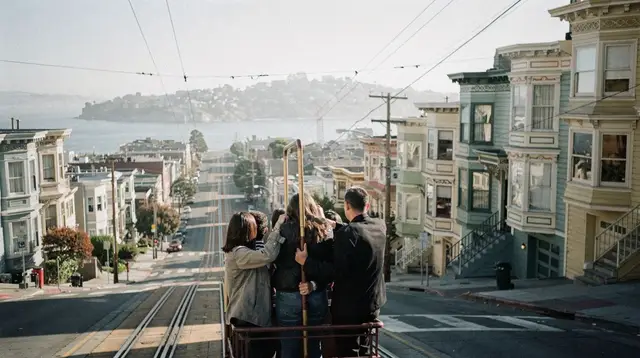
Start in the compact, walkable core of the city. Union Square, the Financial District and the cable car turnarounds sit close together, and a morning spent walking between them is the easiest way to get oriented. Ride a cable car once for the experience — not as daily transport, since it’s a slow, historic funicular rather than a fast way to cover distance — then head toward Chinatown for lunch and a walk through its alleys.
In the afternoon, make your way to Fisherman’s Wharf and Pier 39 for the waterfront, sea lions and views out toward Alcatraz. If Alcatraz is on your list for this trip, book it now rather than later: tickets for the island are sold exclusively by the National Park Service concession, release 90 days ahead, and routinely sell out weeks in advance — there’s no walk-up alternative and no legitimate third-party seller. See the Alcatraz tickets guide for how the booking window actually works. In the evening, North Beach’s Italian restaurants make a good, walkable dinner base before returning to your hotel.
Day 2: Golden Gate Bridge, Presidio and the Mission
Spend the morning at the Golden Gate Bridge and the Presidio — walk or bike partway across the bridge for the classic view back toward the city, keeping in mind that San Francisco’s summer fog can obscure the towers entirely on some mornings, so don’t count on a guaranteed clear photo if you’re visiting between June and August. The toll only applies to cars entering the city from the north, not to pedestrians or cyclists, so this stretch costs nothing beyond time.
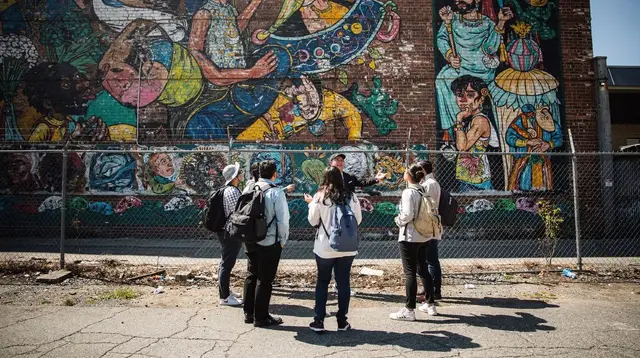
If Alcatraz is on your itinerary, this is a natural slot for the ferry crossing and Cellhouse audio tour, since Pier 33 departures run throughout the day. In the afternoon, shift south to the Mission District for its murals and food scene, or Golden Gate Park if you’d rather stay closer to green space. In the evening, get a reasonably early night — Day 3 starts with a longer drive than anything so far.
Day 3: San Francisco to Monterey via Highway 1
Pick up your rental car this morning and leave the city by mid-morning. The direct route to Monterey runs about two hours down Highway 1 and the coastal highways; give yourself closer to three by building in stops, since the point of this half of the trip is the coast itself, not just the destination.
Monterey Bay is one of the best-known whale-watching areas on the California coast, and a half-day on the water is a good way to spend your first coastal afternoon — see the Monterey whale-watching guide for what’s typically visible by season. If you’d rather stay on a boat without a wildlife focus, a catamaran sail out on the bay works well in the afternoon light:
an afternoon catamaran sail out on Monterey BayFor a golden-hour option instead, there’s also a sunset catamaran cruise timed to the evening light. Spend the evening around Cannery Row and overnight in Monterey — it puts you close to both Carmel and the northern stretch of Big Sur the next day. The Monterey vs. Carmel comparison is worth a look if you’re deciding where to actually sleep.
Day 4: Carmel-by-the-Sea and Big Sur
Carmel-by-the-Sea is a short 10-15 minute drive from Monterey, and it’s worth a slow morning rather than a quick pass-through — the village’s cottage-lined streets and white-sand beach reward walking, not driving. If wine is part of your trip, this is also Carmel’s own tasting-room scene, distinct from Napa or Sonoma:
a guided wine-tasting walk through Carmel’s tasting rooms, or for something further inland, a vintage VW bus tour through Carmel Valley’s wineries.
From Carmel, continue south on Highway 1 toward Big Sur. The most-photographed points — Bixby Bridge and McWay Falls — start roughly 30-45 minutes past Carmel; the road narrows and winds as you go, so budget more driving time than the distance suggests, and treat this as the start of a full day rather than a quick half-day add-on to a Carmel visit. If you’d rather not navigate the route yourself on this stretch, a guided half-day option covers the same ground:
a guided half-day tour from Monterey through Big Sur’s viewpointsOvernight in or near Big Sur. Lodging here is limited and spread out along the highway, so this is worth booking well ahead of the trip, not on arrival. See the Big Sur day trip guide and the Highway 1 driving tips for what the road itself actually involves — pullouts are narrow, cell coverage is patchy, and rushing the curves gains little time.
Day 5: Return to San Francisco
Save the drive back for daylight and don’t try to squeeze in a full day of sightseeing beforehand — Big Sur’s wilder stretches further south are a longer there-and-back that this trip doesn’t have time for, and pushing past McWay Falls would turn the return drive into a very long day. A short walk near your accommodation in the morning, then start north by early-to-mid afternoon.
Retrace Highway 1 through Carmel and Monterey, or cut inland via Highway 101 once you’re past Monterey if you’d rather save an hour on straighter roads. Either way, plan to return the rental car in San Francisco by early evening and allow extra time if you’re catching a flight, since traffic on the approach into the city can be unpredictable. For onward travel from SFO, the SFO to downtown San Francisco transport guide covers BART and other options if you’re dropping the car at the airport instead.
Practical notes for this route
| Leg | Approx. drive time | Notes |
|---|---|---|
| San Francisco → Monterey | 2-3 hours | Longer with coastal stops; Big Sur itself is about 3 hours out |
| Monterey → Carmel-by-the-Sea | 10-15 minutes | Short enough for a half-day visit |
| Carmel → Bixby Bridge / McWay Falls | 30-45 minutes | Narrow, winding road |
| Big Sur → San Francisco (direct) | 3-3.5 hours | Via Highway 1 or inland via 101 |
Prices shown anywhere on this route exclude sales tax (California’s combined rate runs close to 8.6% in San Francisco, with some variation further south), and tipping around 18-20% is expected at sit-down restaurants throughout the trip. If you’re weighing whether to extend further south toward the wilder parts of Big Sur, the Big Sur vs. Santa Cruz coastal comparison lays out the trade-offs; for a longer coastal version of this same idea, see the Highway 1 coastal road trip itinerary.
FAQ: San Francisco and Big Sur in 5 days
Is 5 days enough for San Francisco and Big Sur?
Yes, if the time is split roughly evenly — two days in the city and the rest on the coast, including two nights away from San Francisco. Trying to compress Big Sur into a single long day trip from the city leaves very little actual time on the coast itself.
Do I need a car for this whole trip?
You need one for the Monterey, Carmel and Big Sur portion, but not inside San Francisco. Pick the rental up on the morning you leave the city rather than at the start of the trip, since parking in San Francisco is scarce and expensive.
Where should I stay for the Big Sur night?
Monterey (Day 3) and a Big Sur-area property (Day 4) work well as the two overnight bases outside San Francisco. Big Sur lodging is limited and spread along the highway, so book it well in advance.
Can I see Bixby Bridge and McWay Falls without going deep into Big Sur?
Yes — both are within the first 30-45 minutes south of Carmel, which fits comfortably into this itinerary’s half-day drive. The wilder, more remote stretches of Big Sur further south are not part of this plan.
Is the drive from San Francisco to Monterey scenic the whole way?
Highway 1 hugs the coast for much of the route and is the scenic option, though it’s slower than cutting inland. Many travelers take Highway 1 southbound for the views and consider Highway 101 for a faster return if time is tight.
Should I book Alcatraz before this trip?
Yes, well ahead — tickets are sold only by the official concession, release 90 days out, and sell out weeks in advance, especially in summer. Fit it into Day 1 or Day 2 in San Francisco, before the coastal half of the trip begins.
Is this itinerary better in a particular season?
September and October generally bring San Francisco’s clearest, warmest weather, while spring waterfalls and summer whale-watching each favor different months further down the coast. Fog is most likely over the city itself from June through August.
tours.5 days
Verified deep-linked GetYourGuide tours. Book through these links and we earn a small commission at no cost to you.
GetYourGuide does not provide a product photo for this activity — the image shows the meeting point, photographed by us.